Keeping your poolside TV clean ensures clear viewing and extends its lifespan. This guide walks you through safe, effective cleaning methods tailored for small outdoor spaces, protecting your screen from splashes, dust, and UV exposure.
Key Takeaways
- Use only screen-safe cleaners: Avoid ammonia, alcohol, or abrasive chemicals that can damage anti-glare coatings and LCD/LED layers.
- Power off and unplug before cleaning: Always turn off and disconnect your TV to prevent electrical hazards and protect internal components.
- Microfiber cloths are essential: They trap dust without scratching and absorb moisture gently—never use paper towels or rough fabrics.
- Clean during cooler hours: Avoid midday sun; heat can cause cleaning solutions to dry too fast, leaving streaks or residue.
- Protect from water exposure: Even “weatherproof” TVs need care—never spray liquids directly on the screen or near vents.
- Regular maintenance prevents buildup: Wipe down weekly to stop grime, sunscreen, and chlorine residue from hardening.
- Consider a protective cover: When not in use, a breathable, UV-resistant cover shields your TV from sun, rain, and debris.
Introduction: Why Cleaning Your Poolside TV Matters
Imagine relaxing by your small patio pool, ready to enjoy your favorite show under the stars—only to find your outdoor TV smudged, streaky, or worse, unresponsive due to moisture damage. A clean poolside TV isn’t just about aesthetics; it’s about performance, safety, and longevity. In compact outdoor spaces, where every inch counts, your TV is often exposed to a unique mix of challenges: chlorine splashes, sunscreen residue, dust, humidity, and intense sunlight. These elements can degrade screen quality, dull colors, and even shorten your TV’s lifespan if not properly managed.
This comprehensive guide will walk you through everything you need to know about how to clean a poolside TV for small patios—safely, effectively, and without risking damage. Whether you’ve invested in a premium outdoor-rated television or adapted an indoor model with extra protection, these steps will help you maintain crystal-clear visuals and reliable function. You’ll learn the right tools, cleaning techniques, timing, and preventive measures tailored specifically for compact outdoor entertainment zones. By the end, you’ll have a routine that keeps your TV looking sharp and performing flawlessly—season after season.
Understanding Your Poolside TV’s Needs
Before grabbing a spray bottle and cloth, it’s crucial to understand what makes outdoor TVs different—and why standard cleaning methods won’t cut it. Most poolside TVs fall into two categories: outdoor-rated models (built for all-weather use) and indoor TVs used outdoors (often housed in protective enclosures). Both require special care, but for different reasons.

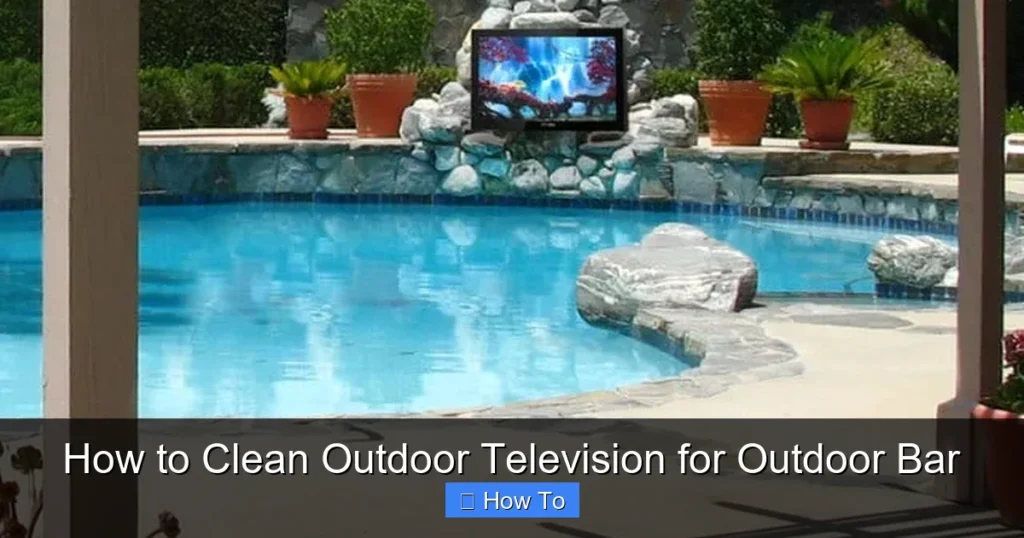
Visual guide about How to Clean Poolside Tv for Small Patio
Image source: designthusiasm.com
Outdoor-Rated TVs: Built for the Elements
These TVs are engineered with sealed casings, corrosion-resistant materials, and enhanced cooling systems. However, “weatherproof” doesn’t mean “maintenance-free.” Their screens still accumulate oils from hands, airborne salt (if near the coast), and chemical residues from pool water. Over time, these can cloud the display or interfere with touch controls (if applicable).
Indoor TVs in Outdoor Enclosures
Many homeowners place standard indoor TVs inside weatherproof cabinets or mounts designed for outdoor use. While this offers decent protection, the enclosed space can trap heat and moisture—creating a breeding ground for mold or condensation if ventilation is poor. Cleaning must focus not only on the screen but also on ensuring airflow isn’t blocked by dust buildup around vents or seals.
The Unique Challenges of Small Patios
In tight spaces, splashing is more frequent, and there’s less room for error. Kids playing, adults diving in, or even wind blowing pool water can result in repeated exposure to chlorinated water and lotions. Plus, limited shade means more direct UV exposure, which can fade screen coatings over time. Understanding these factors helps you tailor your cleaning approach—not just to clean, but to protect.
Essential Tools and Supplies
Using the wrong tools can do more harm than good. Skip the household glass cleaner and paper towels—they’re too harsh for modern screens. Instead, gather these essentials:
- Microfiber cloths (2–3): Opt for lint-free, ultra-soft versions. One for dusting, one for cleaning, and a spare for drying.
- Distilled water: Tap water contains minerals that leave spots. Distilled water ensures streak-free results.
- Isopropyl alcohol (70% or less): Only if recommended by your TV manufacturer. Never use higher concentrations—they can strip protective coatings.
- Mild dish soap (optional): A drop of fragrance-free, non-abrasive soap can help with oily residues.
- Soft-bristle brush or compressed air: For gently removing loose dust from bezels, vents, and crevices.
- Spray bottle (fine mist): To apply cleaning solution indirectly—never spray directly on the screen.
- Protective gloves (optional): Useful if you’re sensitive to cleaning agents or handling a large screen.
Pro Tip: Keep your cleaning kit in a sealed container near your patio so it’s always ready. Label bottles clearly to avoid confusion.
Step-by-Step Cleaning Process
Follow this safe, effective routine every 1–2 weeks—or immediately after heavy pool use.
Step 1: Power Down and Unplug
Always turn off your TV and unplug it from the power source. This prevents electrical shock, protects internal components from moisture, and allows the screen to cool down. Never clean a warm or active display—heat can cause cleaning liquids to evaporate too quickly, leaving streaks or damaging delicate layers.
Step 2: Remove Loose Dust and Debris
Use a dry microfiber cloth or soft-bristle brush to gently wipe the screen surface. Start from the top and work downward in smooth, overlapping strokes. For stubborn particles around the frame or ventilation slots, use compressed air held at least 6 inches away. Never blow directly into vents—this can push moisture or debris deeper inside.
Step 3: Prepare Your Cleaning Solution
Mix a solution of distilled water with a tiny drop of mild dish soap (about 1/4 teaspoon per cup of water). Alternatively, if your TV manual permits, use a 50/50 mix of distilled water and isopropyl alcohol (70% or lower). Pour the solution into your spray bottle—but remember: you won’t spray this on the screen.
Step 4: Dampen the Cloth—Not the Screen
Lightly mist your microfiber cloth with the cleaning solution. The cloth should be barely damp—like a wrung-out sponge. Excess liquid can seep into edges or ports, causing short circuits or corrosion. If water drips from the cloth, it’s too wet.
Step 5: Wipe the Screen Gently
Starting at the top corner, wipe the screen in small circular motions or straight vertical lines. Apply light pressure—no need to scrub. Focus on smudges, fingerprints, or dried pool residue. For tough spots (like sunscreen splatters), hold the damp cloth over the area for 10–15 seconds to loosen grime before wiping.
Step 6: Dry Immediately
Use a second dry microfiber cloth to buff the screen until completely dry and streak-free. This step is critical—any remaining moisture can attract dust or leave haze. Pay extra attention to corners and edges where liquid tends to collect.
Step 7: Clean the Frame and Vents
Wipe down the bezel, stand, and ventilation areas with the same damp cloth (lightly wrung). Avoid getting moisture near speaker grilles or control buttons. Use a cotton swab dipped in distilled water for tight spaces—but never insert anything into openings.
Step 8: Reconnect and Test
Once everything is dry (wait at least 10–15 minutes), plug your TV back in and power it on. Check for clarity, color accuracy, and responsiveness. If you notice streaks or haze, repeat the drying step with a fresh microfiber cloth.
Special Considerations for Small Patio Setups
Compact spaces demand smarter maintenance. Here’s how to adapt your routine:
Frequency Matters
In small patios, TVs are closer to the waterline and more exposed to splashes. Clean after pool parties or heavy use—don’t wait for visible dirt. A quick weekly wipe prevents buildup that’s harder to remove later.
Mind the Mounting Location
If your TV is mounted low (e.g., on a wall near seating), it’s more prone to accidental touches and spills. Consider installing a slight tilt upward to reduce direct splash impact. Also, ensure the mount allows airflow behind the TV to prevent overheating.
UV Protection Strategies
Even with cleaning, prolonged sun exposure degrades screen coatings. Use retractable awnings, patio umbrellas, or UV-blocking window films during peak hours (10 a.m.–4 p.m.). Some homeowners install motorized shades that deploy automatically when the TV is off.
Dealing with Chlorine and Salt Residue
Pool chemicals leave invisible films that attract dust. After cleaning, wipe the screen with a cloth dampened only with distilled water to rinse away residual chemicals. In saltwater pools, this step is even more important—salt crystals can scratch surfaces over time.
Troubleshooting Common Issues
Even with careful cleaning, problems can arise. Here’s how to handle them:
Streaks or Haze After Cleaning
This usually means the cloth was too wet or the solution left residue. Re-clean with a fresh microfiber cloth dampened only with distilled water. Buff thoroughly until dry.
Screen Feels Sticky or Smudgy
Likely caused by lotions, sunscreen, or food oils. Use the mild soap solution described earlier, but rinse with a distilled-water-dampened cloth afterward to remove all soap traces.
Condensation Behind the Screen
Rare but serious. Power off immediately and let the TV sit unplugged in a dry, warm area for 24–48 hours. If moisture persists, contact the manufacturer—opening the TV yourself voids warranties.
Reduced Brightness or Color Fading
Often due to UV damage or degraded anti-reflective coatings. While cleaning won’t reverse this, using a protective cover when not in use can slow further deterioration.
Remote Control Malfunctions
Poolside remotes absorb moisture and grime. Remove batteries, wipe the exterior with a slightly damp cloth, and use a toothpick to clean around buttons. Store in a sealed case when not in use.
Preventive Maintenance Tips
Cleaning is just one part of the equation. Preventive care keeps your TV in top shape between cleanings:
- Install a weatherproof cover: Choose one made from breathable, UV-resistant fabric that fits snugly but allows airflow. Remove it before turning the TV on to avoid overheating.
- Use a surge protector: Outdoor electronics are vulnerable to power spikes. A high-quality outdoor-rated surge protector adds a layer of safety.
- Schedule seasonal deep cleans: Every 3–4 months, inspect seals, mounts, and cables for wear. Tighten loose fittings and check for corrosion.
- Keep pets and kids at a distance: Use barriers or mounts high enough to prevent accidental bumps or spills.
- Monitor humidity levels: If your area has high humidity, consider a dehumidifier nearby or a TV enclosure with built-in ventilation.
When to Call a Professional
Most cleaning tasks are DIY-friendly, but some situations require expert help:
- Visible moisture inside the screen
- Cracked or peeling screen coating
- Persistent discoloration or dead pixels
- Electrical issues (flickering, no power)
Contact the manufacturer or a certified technician—especially if your TV is still under warranty. Attempting repairs yourself can cause further damage.
Conclusion: Enjoy a Crystal-Clear View All Season Long
Cleaning your poolside TV doesn’t have to be daunting—or risky. With the right tools, techniques, and mindset, you can keep your outdoor entertainment center looking and performing like new. Remember: gentle care beats aggressive scrubbing every time. By following this guide, you’re not just maintaining a screen; you’re preserving your investment and enhancing your relaxation experience.
Make cleaning part of your regular patio routine—just like skimming the pool or wiping down furniture. A few minutes of care each week pays off in vibrant colors, sharp details, and peace of mind. So next time you’re lounging by the water with your favorite show playing, you’ll know your TV is as clean and ready as you are.