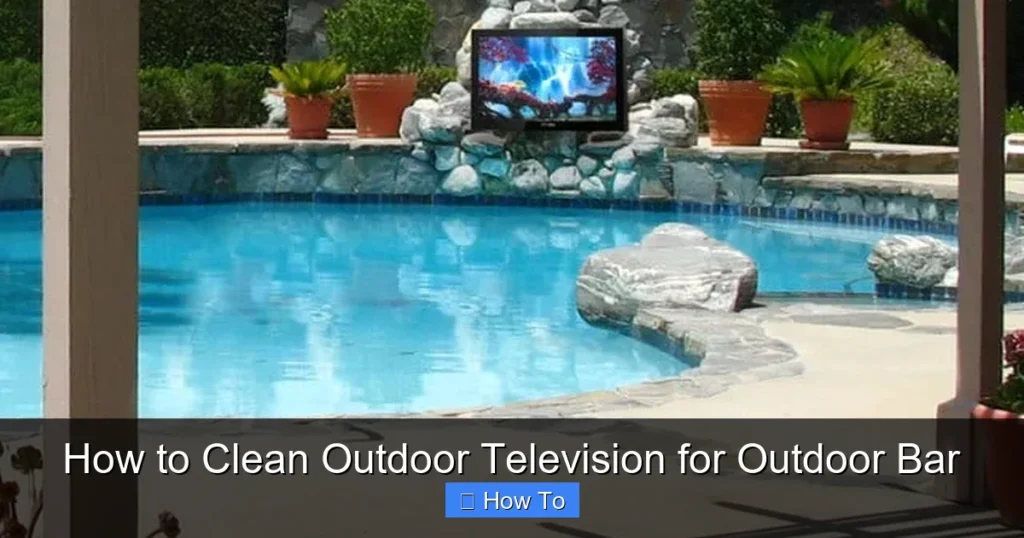
Keeping your poolside TV for outdoor kitchen clean ensures clear viewing and extends its lifespan. This guide walks you through safe cleaning methods, protective measures, and maintenance tips tailored for outdoor environments.
Key Takeaways
- Use only screen-safe cleaners: Avoid ammonia, alcohol, or abrasive chemicals that can damage anti-reflective coatings or LCD/LED layers.
- Power off and unplug before cleaning: Always turn off and disconnect the TV to prevent electrical hazards and protect internal components.
- Microfiber cloths are essential: They lift dust and smudges without scratching the screen—never use paper towels or rough fabrics.
- Clean regularly but gently: Weekly light cleaning prevents buildup; deep cleaning every 2–4 weeks maintains clarity and performance.
- Protect from environmental factors: Use weatherproof covers when not in use and ensure proper ventilation to avoid moisture traps.
- Check manufacturer guidelines: Always refer to your TV’s manual for model-specific cleaning recommendations and warranty conditions.
- Inspect mounting hardware: Corrosion or loose brackets can affect both safety and viewing angle—tidy up the area around the TV too.
Introduction: Why Cleaning Your Poolside TV Matters
Your outdoor kitchen is more than just a cooking space—it’s a hub for relaxation, entertainment, and family gatherings. And if you’ve invested in a poolside TV for outdoor kitchen, you know how much it enhances the experience. Whether you’re watching the game while grilling or catching up on your favorite show during a backyard movie night, a clean, clear screen makes all the difference.
But outdoor TVs face unique challenges. They’re exposed to chlorine mist from the pool, humidity, dust, pollen, cooking grease, and even salt air if you live near the coast. Over time, these elements can leave behind stubborn residues, foggy screens, or even cause long-term damage if not properly maintained.
Cleaning your poolside TV isn’t just about aesthetics—it’s about preserving functionality, ensuring safety, and maximizing your investment. A dirty screen can reduce brightness, distort colors, and strain your eyes. Worse, using the wrong cleaning products or techniques can scratch the surface, ruin anti-glare coatings, or seep moisture into sensitive electronics.
In this comprehensive guide, you’ll learn exactly how to clean your poolside TV for outdoor kitchen safely and effectively. We’ll cover everything from the right tools and cleaning solutions to step-by-step methods, protective strategies, and troubleshooting common issues. By the end, you’ll have a clear routine that keeps your outdoor TV looking sharp and performing flawlessly—rain or shine.
What You’ll Need: Essential Cleaning Supplies

Visual guide about How to Clean Poolside Tv for Outdoor Kitchen
Image source: i.ytimg.com
Before you start, gather the right tools. Using improper materials is one of the most common mistakes people make when cleaning outdoor electronics. Here’s a checklist of what you’ll need:
- Microfiber cloths (2–3): These are soft, lint-free, and designed specifically for screens. Avoid cotton rags or paper towels—they can leave fibers or scratch the surface.
- Distilled water: Tap water contains minerals that can leave streaks or spots. Distilled water ensures a clean, residue-free finish.
- Isopropyl alcohol (70% or less): Only use this in small amounts and diluted with water (50/50 mix) for tougher grime. Never apply directly to the screen.
- Commercial screen cleaner (optional): Choose a product labeled “safe for LED/LCD/OLED screens” and free of ammonia, acetone, or bleach.
- Soft-bristle brush or compressed air: For removing loose dust from vents, frames, and mounting hardware.
- Spray bottle: To lightly mist your cleaning solution—never spray directly onto the TV.
- Gloves (optional): To keep oils from your hands off the screen during handling.
Avoid using household cleaners like Windex, vinegar solutions, or all-purpose sprays. These often contain harsh chemicals that degrade screen coatings over time.
Step 1: Power Down and Prepare the Area
Safety first! Before touching your TV, always turn it off and unplug it from the power source. Even if your outdoor TV is rated for wet locations, eliminating electrical current reduces the risk of shock or short-circuiting—especially important in humid or splash-prone zones like poolside kitchens.
Let the TV Cool Down
If the TV has been running for a while, give it 10–15 minutes to cool. Cleaning a hot screen can cause cleaning solutions to evaporate too quickly, leaving streaks or residue.
Clear the Surrounding Space
Move any nearby items—grill tools, drink trays, decorative plants—that could get in the way or accidentally splash cleaning fluid. This also gives you room to work without bumping into furniture or the pool edge.
Check the Weather
Avoid cleaning your TV in direct sunlight or high humidity. Sunlight can cause cleaning solutions to dry too fast, leading to streaks. High humidity increases the risk of moisture lingering in vents or seams. Aim for a cool, shaded, dry day—or clean early morning or late afternoon.
Step 2: Dust Off the Screen and Frame
Never jump straight to wiping with liquid. Dust and debris can act like sandpaper if rubbed across the screen, causing micro-scratches.
Use a Dry Microfiber Cloth
Gently wipe the screen in straight, vertical motions from top to bottom. Don’t press hard—let the cloth do the work. This removes loose dust, pollen, and light fingerprints.
Clean the Bezel and Frame
Outdoor TV frames collect grease, salt, and grime from cooking and pool activity. Use a slightly damp microfiber cloth (lightly misted with distilled water) to wipe the plastic or metal bezel. For stubborn spots, add a drop of mild dish soap to the water—but never let liquid drip into vents or ports.
Vacuum or Blow Out Vents
Use a soft-bristle brush or can of compressed air to clear dust from ventilation slots. Blocked vents can cause overheating, especially in hot outdoor environments. Hold the can upright and spray in short bursts to avoid pushing moisture inward.
Step 3: Clean the Screen Safely
Now it’s time for the main event—cleaning the screen itself. Follow these steps carefully to avoid damage.
Prepare Your Cleaning Solution
Mix one part distilled water with one part isopropyl alcohol (70% or lower) in a spray bottle. Alternatively, use a pre-mixed screen cleaner approved for your TV type. Shake gently—don’t create foam.
Spray onto the Cloth, Not the Screen
Never spray liquid directly onto the TV. Instead, lightly mist your microfiber cloth until it’s damp—not wet. Excess moisture can seep into edges and damage internal components.
Wipe in Gentle, Circular Motions
Starting at the top corner, wipe the screen using light, overlapping circles. Apply minimal pressure. Focus on smudges, water spots, or greasy fingerprints. Avoid pressing hard around the edges where the screen meets the bezel.
Rinse and Repeat if Needed
For heavily soiled areas, use a second dry microfiber cloth to buff away any remaining moisture or streaks. If residue persists, repeat the process with a fresh section of cloth—never reuse a dirty or overly damp cloth.
Dry Thoroughly
Use a clean, dry microfiber cloth to go over the screen one final time. This ensures no streaks or water spots remain, especially important in sunny outdoor settings where shadows and glare are common.
Step 4: Protect and Maintain Your Outdoor TV
Cleaning is only half the battle. To keep your poolside TV for outdoor kitchen in top condition, adopt protective habits.
Use a Weatherproof Cover
When the TV isn’t in use—especially overnight or during storms—cover it with a breathable, UV-resistant outdoor TV cover. Avoid plastic tarps, which trap moisture and promote mold. Look for covers with ventilation panels and secure straps.
Install a Protective Hood or Awning
If your TV is wall-mounted above the grill or seating area, consider adding a small awning or hood to shield it from direct rain, splashes, and intense sun. This reduces cleaning frequency and extends screen life.
Schedule Regular Maintenance
Set a reminder to clean your TV every 1–2 weeks during peak pool season. In cooler months, monthly cleaning is usually sufficient. Consistency prevents buildup and makes each session quicker and easier.
Monitor for Corrosion and Wear
Outdoor mounting brackets and screws can rust over time, especially near saltwater or chlorine. Inspect them monthly. Tighten loose bolts and replace corroded hardware promptly to prevent accidents.
Keep the Area Dry
After swimming or grilling, wipe down nearby surfaces to reduce airborne moisture and grease. Consider installing a ceiling fan or misting system to improve airflow and reduce condensation.
Troubleshooting Common Cleaning Issues
Even with careful cleaning, problems can arise. Here’s how to handle the most common ones:
Streaks or Haze After Cleaning
This usually happens when too much liquid is used or the cloth isn’t fully dry. Solution: Buff the screen with a clean, dry microfiber cloth using light pressure. If streaks persist, the screen may have a damaged anti-reflective coating—contact the manufacturer.
Water Spots or Mineral Deposits
Caused by hard water or improper drying. Solution: Use only distilled water in your cleaning mix. After wiping, immediately dry with a second cloth. For existing spots, gently rub with a cloth dampened with vinegar-free solution.
Sticky Residue from Food or Sunscreen
Common near grills or lounging areas. Solution: Dampen a cloth with mild soapy water (1 drop dish soap per cup of distilled water), wipe gently, then rinse with a water-dampened cloth and dry thoroughly.
Screen Flickering or Dimming After Cleaning
This could indicate moisture intrusion or a loose connection. Solution: Power off immediately, let the TV dry completely for 24 hours in a warm, dry place, then reconnect. If the issue persists, consult a technician—do not attempt internal repairs.
Scratches on the Screen
Unfortunately, scratches are permanent. Prevention is key: always use microfiber, avoid abrasive materials, and never clean with dry cloths on dusty screens. For minor surface scratches, some screen repair kits claim to help—but results vary.
Advanced Tips for Long-Term Care
To truly maximize your TV’s lifespan, go beyond basic cleaning:
- Use a screen protector: Apply a high-quality anti-glare or privacy film designed for outdoor use. It adds a sacrificial layer that’s easier to clean and replace.
- Upgrade to an outdoor-rated TV: If you’re still using an indoor TV in your outdoor kitchen, consider switching to a model built for exterior use—like those from SunBrite, Samsung Terrace, or LG Outdoor. These have enhanced weather resistance, brighter screens, and better thermal management.
- Install a surge protector: Outdoor electronics are vulnerable to power surges from storms. A weatherproof surge protector safeguards your investment.
- Keep firmware updated: Manufacturers often release updates that improve performance and fix bugs. Check your TV’s settings menu periodically.
- Rotate viewing angles: If your TV is on a swivel mount, occasionally adjust the angle to prevent permanent image retention (burn-in) on static elements like channel logos.
Conclusion: Enjoy a Crystal-Clear Outdoor Experience
Your poolside TV for outdoor kitchen is more than a luxury—it’s a centerpiece of your outdoor lifestyle. With the right cleaning routine, you can keep it looking and performing like new for years to come. Remember: gentle care, the right tools, and consistent maintenance are the keys to success.
By following this guide, you’ve learned how to safely clean your screen, protect it from the elements, and troubleshoot common issues. You’ve also discovered how small habits—like using a cover or checking mounting hardware—can make a big difference over time.
So next time you fire up the grill or dive into the pool, rest assured your TV is ready to deliver crisp, vibrant entertainment. Keep it clean, keep it protected, and enjoy every moment under the open sky.