Keeping your poolside TV clean ensures a crisp picture and longer lifespan. This guide walks you through safe, effective cleaning methods tailored for outdoor environments, helping you avoid damage from moisture, sunscreen, and debris.
Key Takeaways
- Turn off and unplug the TV before cleaning: Safety comes first—always power down and disconnect your outdoor TV to prevent electrical hazards and protect internal components.
- Use only screen-safe cleaning solutions: Avoid ammonia, alcohol, or harsh chemicals that can strip anti-glare coatings or damage the display. Opt for distilled water or manufacturer-recommended cleaners.
- Microfiber cloths are essential: They trap dust and wipe away smudges without scratching the screen. Never use paper towels, napkins, or abrasive materials.
- Clean regularly but gently: Outdoor TVs collect sunscreen, salt, chlorine, and pollen quickly. Weekly light cleaning prevents buildup and maintains visibility.
- Protect from direct sunlight and moisture: Use a weatherproof cover when not in use and position the TV under an awning or pergola to reduce exposure and cleaning frequency.
- Check seals and enclosures: Ensure your outdoor TV’s housing is intact to prevent water intrusion, which can lead to permanent damage.
- Follow manufacturer guidelines: Always consult your TV’s user manual for specific cleaning instructions and warranty requirements.
How to Clean Poolside TV for Outdoor Bar
If you’ve invested in a poolside TV for your outdoor bar, you know how much it enhances the experience—whether you’re watching the big game, streaming a summer playlist, or catching up on your favorite show while lounging by the water. But with constant exposure to sun, humidity, chlorine mist, sunscreen splatters, and poolside dust, your outdoor TV can quickly lose its clarity and performance. That’s why knowing how to clean your poolside TV properly is essential—not just for aesthetics, but for longevity and safety.
In this comprehensive guide, we’ll walk you through everything you need to know about cleaning your outdoor TV. From understanding the unique challenges of poolside environments to choosing the right tools and techniques, you’ll learn how to keep your screen sparkling without risking damage. Whether you have a fully weatherproof outdoor TV or a standard model in a protective enclosure, these steps will help you maintain optimal picture quality and extend the life of your investment.
We’ll cover pre-cleaning safety checks, the best cleaning supplies, step-by-step wiping techniques, and tips for preventing future grime buildup. You’ll also learn how to troubleshoot common issues like water spots, sticky residues, and cloudy screens. By the end of this guide, you’ll have a reliable routine that keeps your poolside entertainment center looking and performing its best—rain or shine.
Why Cleaning Your Poolside TV Matters

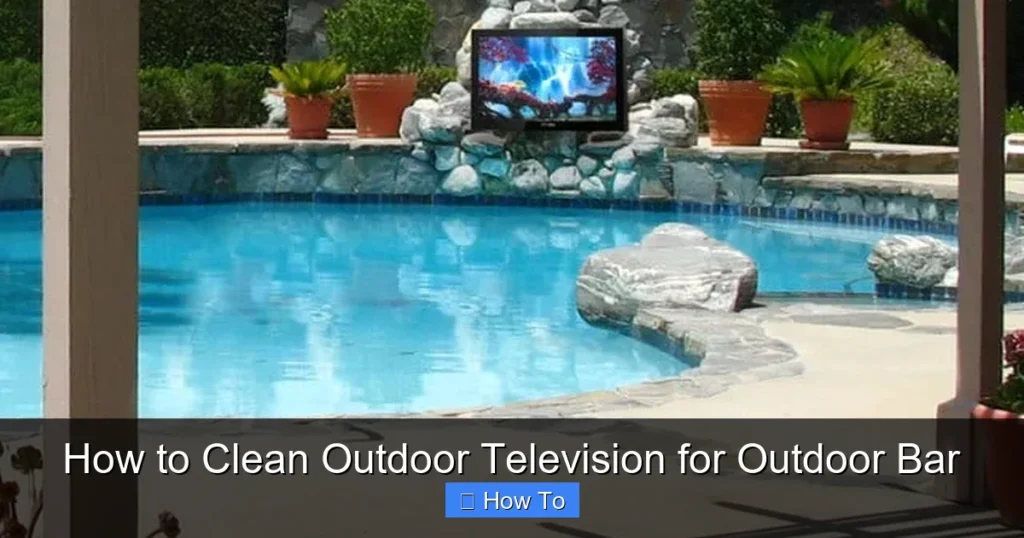
Visual guide about How to Clean Poolside Tv for Outdoor Bar
Image source: luxurypools.com
Outdoor TVs face a harsher environment than their indoor counterparts. At a poolside bar, your TV is constantly exposed to elements that can degrade both the screen and internal components. Chlorine from pool water can aerosolize and settle on surfaces, leaving behind a fine, sticky residue. Sunscreen, insect repellent, and sweat from guests can create smudges that are tough to remove. Add in salt air (if you’re near the coast), pollen, dust, and occasional splashes, and you’ve got a recipe for a dirty, dull screen.
But it’s not just about appearance. Dirt and chemical buildup can interfere with touch functionality (if applicable), reduce screen brightness, and even corrode internal electronics over time. Moisture trapped under dust or grime can seep into vents or seams, leading to mold, corrosion, or short circuits. Regular cleaning helps prevent these issues, ensuring your TV stays functional and safe.
Moreover, a clean TV enhances the viewing experience. A smudged or hazy screen can make it hard to see during daylight hours—especially when sunlight reflects off the surface. For an outdoor bar, where ambiance and guest comfort are key, a clear, vibrant display contributes to the overall atmosphere. Guests are more likely to relax and enjoy their time when they can easily see the screen without squinting or adjusting their position.
Finally, proper cleaning protects your investment. High-quality outdoor TVs can cost hundreds or even thousands of dollars. Regular maintenance not only preserves image quality but also extends the lifespan of the unit, reducing the need for costly repairs or replacements. Think of cleaning your poolside TV as part of your overall outdoor upkeep—like cleaning the pool deck or maintaining the bar area. It’s a small effort that pays big dividends.
Preparing to Clean Your Outdoor TV
Before you grab a cloth and start wiping, take a few minutes to prepare. Rushing into cleaning without proper prep can lead to accidents, damage, or ineffective results. Here’s how to get ready safely and efficiently.
Turn Off and Unplug the TV
This is the most important step. Always power down your TV completely and unplug it from the electrical outlet. Even if your TV is designed for outdoor use, water and electricity don’t mix. Moisture from cleaning solutions or humidity can create a conductive path, increasing the risk of electric shock or short-circuiting. Unplugging also prevents accidental power surges when you reconnect it later.
If your TV is hardwired or connected to a complex outdoor entertainment system, consider turning off the circuit breaker that powers the outlet. This adds an extra layer of safety. Wait at least 10–15 minutes after unplugging before you begin cleaning. This allows any residual electricity in the capacitors to dissipate.
Gather the Right Supplies
Using the wrong tools can do more harm than good. Avoid household cleaners like Windex, vinegar solutions, or all-purpose sprays—they often contain ammonia or alcohol, which can strip anti-reflective coatings and damage LCD or OLED screens. Instead, gather these essentials:
– A soft, lint-free microfiber cloth (preferably two—one for dusting, one for cleaning)
– Distilled water (tap water can leave mineral deposits)
– A small spray bottle
– Optional: A screen-safe cleaning solution (check your TV’s manual for approved brands)
– A soft-bristled brush (like a clean makeup brush) for dusting vents and frames
– A dry towel for drying the frame and bezel
Avoid paper towels, tissues, or rough fabrics—they can scratch the screen. Also, don’t use compressed air unless specifically recommended by the manufacturer, as it can force moisture or debris into sensitive areas.
Check the Weather and Environment
Timing matters. Avoid cleaning your TV during peak sunlight or high humidity. Direct sun can cause cleaning solutions to evaporate too quickly, leaving streaks. High humidity increases the risk of moisture lingering on the screen or seeping into openings. Choose a cool, shaded time of day—early morning or late afternoon is ideal.
Also, make sure the pool area is calm. If kids are splashing or the wind is blowing debris around, wait for a quieter moment. You don’t want to accidentally spray cleaner into the pool or have dust settle back on the screen immediately after cleaning.
Inspect the TV’s Condition
Before cleaning, do a quick visual inspection. Look for cracks in the screen, loose seals around the bezel, or signs of water intrusion (like fogging behind the glass). If you notice any damage, avoid cleaning until it’s repaired—water and cleaning agents could worsen the issue.
Check the ventilation slots and speaker grilles for dust buildup. These areas can harbor mold or mildew if not cleaned regularly. Use a soft brush to gently remove loose debris before wiping the screen.
Step-by-Step Cleaning Process
Now that you’re prepared, it’s time to clean. Follow these steps carefully to ensure a thorough, safe clean without damaging your TV.
Step 1: Dust the Screen and Frame
Start by removing loose dust and debris. Use a dry microfiber cloth or a soft-bristled brush to gently wipe the screen surface. Work from top to bottom in smooth, overlapping strokes. Don’t press hard—dust particles can scratch the screen if dragged with force.
Pay attention to the edges and corners, where dust tends to accumulate. Also, dust the frame, bezel, and any exposed vents. This prevents dirt from falling onto the screen during the wet cleaning phase.
Step 2: Prepare Your Cleaning Solution
For most outdoor TVs, a simple solution of distilled water is sufficient. Fill a small spray bottle with distilled water—this prevents mineral spots that tap water can leave behind.
If your screen has stubborn smudges or oily residues (like sunscreen), you can add a drop of mild, pH-neutral dish soap. Avoid anything with fragrances, dyes, or degreasers. Alternatively, use a commercial screen cleaner that’s explicitly labeled safe for LCD, LED, or OLED displays.
Never spray liquid directly onto the screen. Instead, lightly mist the microfiber cloth—just enough to make it damp, not wet. A soaking cloth can drip liquid into the TV’s seams or ports, causing damage.
Step 3: Wipe the Screen Gently
Using the damp microfiber cloth, wipe the screen in gentle, circular motions. Start from one corner and work your way across, overlapping each pass slightly. Avoid pressing too hard—let the cloth do the work.
For tough spots like dried sunscreen or chlorine residue, hold the damp cloth over the area for 10–15 seconds to loosen it, then wipe gently. Never scrub or use abrasive pressure.
After wiping, use a second dry microfiber cloth to buff the screen. This removes any remaining moisture and prevents streaking. Again, use light, circular motions.
Step 4: Clean the Frame and Bezel
The frame and bezel collect grime, fingerprints, and environmental residue. Use the same damp cloth (or a separate one) to wipe these areas. Pay special attention to the edges where the screen meets the frame—this is a common spot for buildup.
For textured or hard-to-reach areas, wrap the cloth around your finger or use a soft brush. Avoid getting moisture into any openings, including speaker grilles, USB ports, or ventilation slots.
Once clean, dry the frame with a dry cloth to prevent water spots.
Step 5: Clean Vents and Accessories
Outdoor TVs often have ventilation slots to prevent overheating. Over time, these can clog with dust, pollen, or insect debris. Use a soft brush to gently dislodge buildup. If necessary, use a can of compressed air (held at least 6 inches away) to blow out stubborn particles—but only if your TV’s manual allows it.
Also, clean any remote controls, mounts, or external speakers. Wipe them with a slightly damp cloth and dry thoroughly. Remote buttons can harbor germs and grime, especially in a high-traffic bar area.
Step 6: Let It Dry Completely
Before plugging the TV back in, allow it to air dry for at least 15–20 minutes. Make sure no moisture remains on the screen or in crevices. You can speed up drying by placing the TV in a shaded, well-ventilated area.
Never power on the TV while it’s still damp—this can cause short circuits or permanent damage.
Special Considerations for Outdoor TVs
Not all TVs are created equal—especially when it comes to outdoor use. Understanding your TV’s design and limitations is crucial for safe cleaning.
Weatherproof vs. Indoor TVs in Enclosures
True outdoor TVs are built with sealed housings, UV-resistant screens, and corrosion-resistant components. They’re designed to withstand rain, snow, and extreme temperatures. These models are generally easier to clean because they’re built to handle moisture.
Indoor TVs placed in weatherproof enclosures require extra caution. The enclosure protects the TV, but it can also trap moisture if not ventilated properly. Always clean the TV through the front panel—never open the enclosure unless instructed by the manufacturer. If you must open it, ensure the area is dry and free of dust.
Anti-Reflective and Anti-Glare Coatings
Many outdoor TVs have special coatings to reduce glare from sunlight. These coatings are delicate and can be damaged by harsh chemicals or abrasive cloths. Always use gentle cleaners and soft microfiber to preserve them.
If your screen appears hazy or rainbow-colored after cleaning, the coating may be compromised. In this case, avoid further cleaning and consult the manufacturer.
Touchscreen Functionality
Some outdoor bar TVs feature touchscreens for interactive menus or games. These require extra care. Avoid excessive moisture near the edges, where sensors are located. Use only approved cleaners and test a small area first.
Preventing Future Buildup
Cleaning doesn’t have to be a weekly chore. With a few preventive measures, you can reduce how often you need to clean your poolside TV.
Use a Protective Cover
When the TV is not in use—especially overnight or during storms—cover it with a breathable, weatherproof TV cover. Look for one with UV protection and a soft inner lining to prevent scratching. Avoid plastic covers that trap moisture.
Position the TV Strategically
Install your TV under an awning, pergola, or covered patio. This shields it from direct rain and reduces sun exposure. Aim the screen away from the pool to minimize splash contact.
Install a Splash Guard
Consider adding a clear acrylic splash guard in front of the TV. This creates a barrier against pool water and sunscreen without blocking the view. Ensure it’s securely mounted and doesn’t interfere with the remote signal.
Regular Maintenance Schedule
Set a cleaning schedule based on usage. For high-traffic bars, clean the screen weekly. For quieter setups, biweekly may suffice. Keep a log to track when you last cleaned and any issues noticed.
Troubleshooting Common Issues
Even with careful cleaning, problems can arise. Here’s how to handle common issues.
Streaks or Haze on the Screen
This is usually caused by using too much liquid or the wrong cleaner. Re-clean the screen with a fresh microfiber cloth and distilled water. Buff thoroughly with a dry cloth. If haze persists, the anti-glare coating may be damaged.
Sticky Residue from Sunscreen or Chlorine
Mix a small amount of isopropyl alcohol (70% or less) with distilled water (1:1 ratio). Dampen a cloth and gently wipe the affected area. Rinse with a water-dampened cloth and dry immediately. Use alcohol sparingly—it can degrade coatings over time.
Water Spots or Mineral Deposits
These come from hard water or improper drying. Prevent them by using distilled water and drying the screen immediately after cleaning. For existing spots, wipe with a cloth dampened with distilled water and vinegar (1:1), then rinse and dry.
Screen Won’t Turn On After Cleaning
Check that the TV is fully dry and properly plugged in. If it still doesn’t work, wait 24 hours and try again. If the problem persists, contact the manufacturer—moisture may have entered internal components.
Conclusion
Cleaning your poolside TV doesn’t have to be daunting. With the right tools, techniques, and routine, you can keep your outdoor bar’s centerpiece looking sharp and performing flawlessly. Remember: safety first—always unplug the TV, use gentle cleaners, and avoid excess moisture. Regular maintenance not only enhances visibility but also protects your investment from the harsh realities of outdoor living.
By following this guide, you’ll extend the life of your TV, improve guest enjoyment, and maintain a professional, inviting atmosphere at your outdoor bar. Whether you’re hosting a weekend barbecue or a quiet evening by the pool, a clean, clear screen makes all the difference.
So grab your microfiber cloth, power down that TV, and give it the care it deserves. Your future self—and your guests—will thank you.