Installing an outdoor TV in windy areas requires extra planning and the right equipment. This guide walks you through choosing the right TV, selecting a sturdy mount, securing it properly, and protecting against weather and wind damage. Follow these steps to enjoy your outdoor entertainment worry-free.
Key Takeaways
- Choose a wind-resistant outdoor TV: Look for models rated for outdoor use with durable, weatherproof casings and reinforced screens.
- Use a heavy-duty, tilt-lock mount: A full-motion or fixed mount with strong bolts and anti-sway features prevents wobbling in high winds.
- Secure mounting to a solid structure: Attach the mount to concrete, brick, or reinforced wood—never drywall or siding alone.
- Anchor with lag bolts and concrete anchors: Use corrosion-resistant hardware rated for outdoor and high-wind conditions.
- Route cables safely and weatherproof connections: Use conduit, outdoor-rated cables, and silicone sealant to prevent water and wind damage.
- Perform regular maintenance checks: Inspect bolts, seals, and mounts every few months, especially after storms.
- Consider professional installation for high-risk zones: If you live in hurricane-prone or coastal areas, hire a certified installer for peace of mind.
How to Install Outdoor TV for Windy Areas
If you love watching the game under the stars or catching a movie on the patio, an outdoor TV can be a game-changer. But if you live in a windy area—like near the coast, on a hilltop, or in open plains—installing an outdoor TV requires more than just hanging it up and plugging it in. Strong winds can shake mounts, loosen bolts, and even damage your TV if it’s not properly secured.
In this guide, we’ll walk you through every step of installing an outdoor TV in windy areas, from choosing the right equipment to anchoring it safely and maintaining it over time. Whether you’re a DIY enthusiast or planning to hire help, these tips will help you enjoy your outdoor entertainment without worrying about your TV flying away in a gust.
Step 1: Choose the Right Outdoor TV
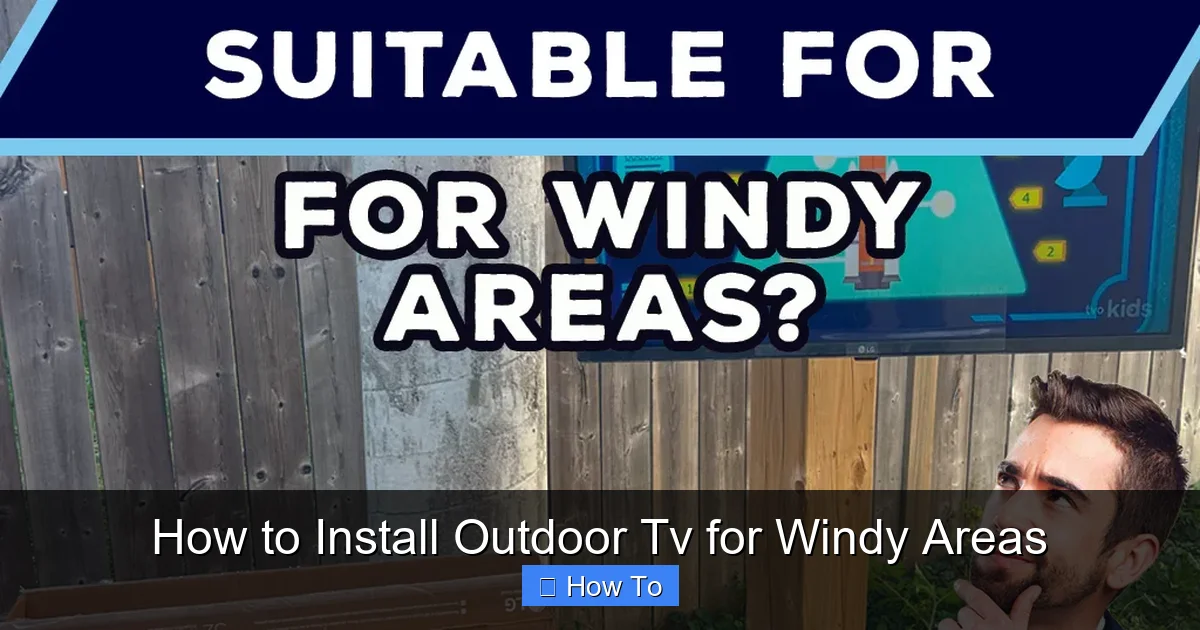
Visual guide about How to Install Outdoor Tv for Windy Areas
Image source: zebozap.com
Not all TVs are built for the great outdoors—especially not for windy conditions. Standard indoor TVs aren’t designed to handle temperature swings, humidity, or physical stress from wind. That’s why your first step is selecting a TV specifically made for outdoor use.
Look for Weatherproof Ratings
Outdoor TVs come with Ingress Protection (IP) ratings that tell you how well they resist dust and water. For windy areas, aim for at least IP55 or higher. This means the TV can handle low-pressure water jets and limited dust ingress—perfect for patios, decks, and covered outdoor spaces.
Consider Screen Brightness and Anti-Glare
Sunlight and reflections can wash out your picture. Choose a TV with high brightness (at least 700 nits, ideally 1000+ nits) and an anti-reflective coating. This ensures you can see the screen clearly even on sunny days—when winds are often strongest.
Pick a Durable, Reinforced Design
Wind can cause vibrations that stress internal components. Look for outdoor TVs with reinforced frames, sealed ports, and no internal fans (which can suck in dust and moisture). Brands like SunBrite, Samsung Terrace, and Seura offer models built to withstand harsh conditions.
Size Matters—But So Does Weight
A larger TV catches more wind, increasing the load on your mount. While a 65-inch screen might be tempting, consider a 55-inch model if you’re in a high-wind zone. Heavier TVs also tend to be more stable, but make sure your mount can support the weight.
Step 2: Select a Heavy-Duty Outdoor TV Mount
The mount is the backbone of your installation. In windy areas, a flimsy or poorly designed mount can fail, risking your TV and anyone nearby.
Choose a Fixed or Tilt Mount Over Full-Motion
Full-motion mounts (like articulating arms) offer flexibility but have more moving parts and weak points. In high winds, these can sway or bend. For windy areas, a fixed or tilt-only mount is safer. It reduces wind resistance and provides a more rigid connection.
Look for Wind-Resistant Features
Some mounts come with anti-sway bars, reinforced arms, or locking tilt mechanisms. These help prevent movement during gusts. Brands like Peerless, Sanus, and Vogel’s offer outdoor-rated mounts with wind resistance in mind.
Check Weight and VESA Compatibility
Make sure the mount supports your TV’s weight and VESA pattern (the screw hole layout on the back). Most outdoor mounts list a maximum weight capacity—don’t exceed it. A 75-pound TV needs a mount rated for at least 100 pounds for safety.
Opt for Corrosion-Resistant Materials
Outdoor mounts should be made of powder-coated steel or aluminum with rust-proof hardware. Stainless steel bolts and nuts are a must, especially near saltwater or humid climates.
Step 3: Choose the Best Mounting Location
Where you install your TV matters just as much as how you install it. A poor location can expose your TV to excessive wind, rain, or sun damage.
Avoid Open, Exposed Areas
Don’t mount your TV on a freestanding pole or the side of a shed with no windbreak. Instead, choose a spot under a covered patio, pergola, or awning. These structures reduce direct wind exposure and provide shade.
Mount to a Solid, Stable Structure
Your TV should be attached to concrete, brick, or reinforced wood framing—never drywall, vinyl siding, or thin plywood. If mounting to wood, ensure it’s part of a sturdy wall frame with studs spaced no more than 16 inches apart.
Consider Wind Direction
Observe how wind flows around your home. If prevailing winds come from the west, avoid mounting on the west-facing wall unless it’s protected. Use natural windbreaks like fences, hedges, or buildings to shield your TV.
Ensure Easy Access for Maintenance
You’ll need to check bolts, clean the screen, and inspect seals regularly. Choose a location that’s reachable with a ladder but not so high that it’s dangerous to access.
Step 4: Gather the Right Tools and Hardware
Before you start drilling, make sure you have everything you need. Using the wrong tools or hardware can compromise your installation.
Essential Tools
- Drill with masonry and wood bits
- Level (laser levels are great for accuracy)
- Tape measure
- Socket wrench or impact driver
- Screwdrivers
- Pencil or marker
- Safety goggles and gloves
Recommended Hardware
- Stainless steel lag bolts (at least 3/8” diameter, 3” long)
- Concrete anchors (like wedge anchors or sleeve anchors)
- Washers and lock nuts
- Outdoor-rated silicone sealant
- Weatherproof cable conduit
- Zip ties or cable clips
Safety Gear
Always wear safety goggles when drilling, especially into concrete or brick. Gloves protect your hands from sharp edges and hardware.
Step 5: Prepare the Mounting Surface
A strong installation starts with a clean, level surface. Rushing this step can lead to a wobbly or misaligned TV.
Clean the Area
Remove dirt, paint flakes, or loose material from the wall. For concrete or brick, use a wire brush to clear debris. A clean surface ensures better adhesion for anchors and a tighter fit.
Locate Studs or Reinforced Areas
If mounting to wood, use a stud finder to locate solid framing. For concrete, avoid areas with cracks or weak spots. Mark the center of studs or strong concrete sections.
Mark Mounting Holes
Hold the mount against the wall and use a level to ensure it’s straight. Mark the screw hole locations with a pencil. Double-check measurements before drilling.
Drill Pilot Holes
Use the correct drill bit size for your anchors. For concrete, a hammer drill works best. Drill slowly to avoid cracking. For wood, drill slightly smaller than the lag bolt diameter to ensure a tight fit.
Step 6: Install the Mount Securely
Now it’s time to attach the mount. This is the most critical step for wind resistance.
Insert Anchors (For Concrete or Brick)
Tap concrete anchors into the pilot holes using a hammer. Make sure they’re flush with the surface. For wood, you can skip anchors and use lag bolts directly into studs.
Attach the Mount with Lag Bolts
Place the mount over the anchors or pilot holes. Insert stainless steel lag bolts with washers and tighten with a socket wrench. Don’t overtighten—this can strip threads or crack concrete. Use a torque wrench if possible.
Check for Level and Stability
Use a level to confirm the mount is perfectly horizontal. Wiggle the mount gently—it should not move. If it does, remove and reinstall with larger or additional anchors.
Apply Silicone Sealant (Optional but Recommended)
Run a bead of outdoor-rated silicone around the edges of the mount where it meets the wall. This prevents water from seeping behind and reduces vibration.
Step 7: Mount the TV and Secure It
With the mount in place, it’s time to attach your TV.
Attach Mounting Brackets to the TV
Most outdoor TVs come with VESA-compatible brackets. Screw them onto the back of the TV using the provided hardware. Tighten securely but don’t over-torque.
Hang the TV on the Mount
With a helper, lift the TV and hook it onto the mount. Make sure it’s seated properly and locked in place. Some mounts have safety locks or pins—use them.
Secure with Safety Cables (Highly Recommended)
Even the best mounts can fail in extreme winds. Use steel safety cables to tether the TV to the wall or mount. Attach one end to the TV’s VESA holes and the other to a secure anchor point. This adds an extra layer of protection.
Step 8: Route and Protect Cables
Exposed cables are vulnerable to wind, rain, and animals. Proper cable management keeps your setup safe and tidy.
Use Outdoor-Rated Cables
Standard HDMI and power cables aren’t built for outdoor use. Choose cables rated for direct burial or outdoor exposure. Look for UV-resistant jackets and waterproof connectors.
Run Cables Through Conduit
Install a flexible or rigid conduit from the TV down to your power source and AV equipment. This protects cables from abrasion, moisture, and chewing pests. Use conduit clips to secure it to the wall.
Seal Cable Entry Points
Where cables enter the wall or conduit, seal the gaps with silicone or rubber grommets. This prevents water from dripping behind the TV or into your home.
Label and Organize Cables
Use zip ties to bundle cables neatly. Label each one (e.g., “HDMI 1,” “Power”) so you can easily identify them during maintenance or upgrades.
Step 9: Test and Fine-Tune
Before you kick back with a cold drink, make sure everything works and is secure.
Power On and Check Picture
Turn on the TV and verify the picture, sound, and inputs are working. Adjust the tilt or angle if needed for the best viewing.
Test Signal Strength
If using an outdoor antenna or streaming device, check signal quality. Wind can affect wireless signals, so consider a wired Ethernet connection for stability.
Simulate Wind Conditions
Gently shake the TV or mount to see if there’s any movement. If it wobbles, tighten bolts or add additional anchors.
Step 10: Maintain Your Outdoor TV
Even the best installations need upkeep. Regular maintenance prevents problems before they start.
Inspect Every 3–6 Months
Check bolts, anchors, and seals for looseness or corrosion. Tighten any loose hardware. Look for cracks in the mount or TV casing.
Clean the Screen and Vents
Use a microfiber cloth and mild cleaner to wipe the screen. Avoid harsh chemicals. Clean vents to prevent dust buildup, which can trap heat.
Check Cables and Conduit
Ensure cables aren’t frayed or exposed. Replace damaged conduit or seals. Trim any vegetation that might rub against cables.
After Severe Weather
After storms or high winds, inspect your TV and mount immediately. Look for signs of stress, water intrusion, or movement.
Troubleshooting Common Issues
Even with careful planning, problems can arise. Here’s how to fix the most common ones.
TV Wobbles in the Wind
This usually means the mount isn’t secure or the wall isn’t strong enough. Tighten all bolts and consider adding more anchors. If the wall is weak, relocate the TV to a sturdier spot.
Water Gets Behind the TV
Check seals around the mount and cable entries. Reapply silicone if needed. Ensure the TV is mounted under cover and not exposed to direct rain.
Screen Flickers or Loses Signal
Loose cables are often the culprit. Check all connections and reseat HDMI and power cables. Use cable locks if available.
Mount Rusts or Corrodes
This happens when non-stainless hardware is used. Replace rusted bolts and nuts with stainless steel ones. Apply anti-corrosion spray if needed.
TV Overheats
Outdoor TVs can get hot in direct sun. Make sure vents aren’t blocked and the TV has airflow. Consider a sunshade or installing in a shaded area.
When to Call a Professional
While many homeowners can handle this installation, some situations call for expert help.
High-Risk Locations
If you live in a hurricane zone, coastal area, or region with frequent high winds, hire a certified installer. They can assess structural integrity and use commercial-grade hardware.
Complex Mounting Surfaces
Installing on stucco, tile, or uneven concrete may require special tools and techniques. A professional ensures a safe, code-compliant installation.
Electrical Work
If you need to run new power lines or install outdoor outlets, consult a licensed electrician. Improper wiring can cause fires or shocks.
Conclusion
Installing an outdoor TV in a windy area isn’t just about convenience—it’s about safety and durability. By choosing the right TV, using a heavy-duty mount, securing it to a solid structure, and protecting cables and connections, you can enjoy outdoor entertainment for years to come. Regular maintenance and smart placement go a long way in preventing wind-related damage. Whether you’re watching a sunset movie or the big game, your outdoor TV will stay put—no matter how hard the wind blows.