This guide shows you how to hide cables outside TV for gazebo using practical, weather-resistant methods. You’ll learn safe routing, concealment tools, and tips to keep your outdoor entertainment area tidy and protected from the elements.
Key Takeaways
- Plan your cable route first: Map out the path from your TV to power and other devices to avoid last-minute changes and damage.
- Use weatherproof cable management products: Choose outdoor-rated raceways, conduits, and clips to protect cables from rain, sun, and pests.
- Secure cables away from foot traffic: Prevent tripping and wear by routing cables along walls, under decking, or through protective covers.
- Label all cables: Make future troubleshooting easier by tagging each wire at both ends.
- Test everything before finalizing: Ensure all connections work before securing cables permanently to avoid rework.
- Follow local electrical codes: Especially when running power outdoors, consult regulations to ensure safety and compliance.
- Maintain access for future repairs: Use removable covers or access panels so you can easily service cables later.
Introduction: Why Hiding Cables Outside Your Gazebo Matters
Setting up a TV in your gazebo is a fantastic way to enjoy movies, sports, or music while soaking up the outdoors. But let’s be honest—nothing ruins the vibe faster than a tangled mess of cables snaking across your deck or hanging off the side of your structure. Not only do exposed wires look messy, but they also pose safety risks and can get damaged by weather, pests, or foot traffic.
That’s why learning how to hide cables outside TV for gazebo is essential. A clean, organized setup not only looks better but also protects your equipment and extends the life of your cables. In this guide, we’ll walk you through every step—from planning your layout to choosing the right tools and installing them like a pro.
Whether you’re mounting a flat-screen TV on the gazebo wall, placing it on a stand, or connecting a soundbar, streaming device, or outdoor speakers, we’ve got you covered. By the end, you’ll have a sleek, weatherproof, and safe cable management system that keeps your outdoor entertainment zone looking sharp.
Step 1: Plan Your Cable Layout
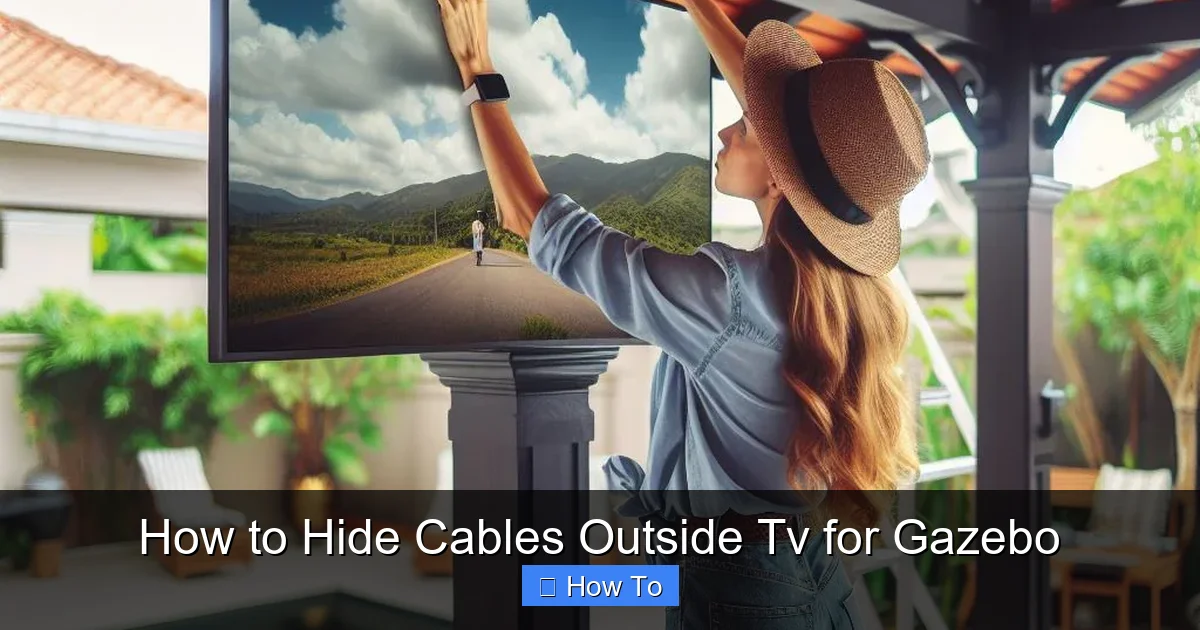
Visual guide about How to Hide Cables Outside Tv for Gazebo
Image source: zebozap.com
Before you touch a single cable, take time to plan. A little foresight saves time, money, and frustration later.
Assess Your Gazebo Setup
Start by identifying where your TV will go. Is it wall-mounted? On a stand? Will it face the seating area directly, or at an angle? Next, locate your power source. Most gazebos don’t have built-in outlets, so you’ll likely need an outdoor-rated extension cord or a dedicated circuit.
Also, consider where your other devices will be:
– Streaming box (like Roku or Apple TV)
– Soundbar or speakers
– Gaming console
– Cable/satellite box
Each of these needs a power cable and possibly an HDMI or audio cable running to the TV.
Map the Cable Path
Sketch a simple diagram of your gazebo. Mark the TV location, power source, and all connected devices. Then, draw the shortest, safest route for each cable. Avoid crossing high-traffic areas like walkways or steps.
Good routes include:
– Along the underside of the gazebo roof
– Behind support posts
– Under decking (if accessible)
– Inside wall cavities (if your gazebo has enclosed sides)
Avoid running cables where they can be stepped on, pinched, or exposed to direct sunlight for long periods.
Measure Cable Lengths
Buy cables that are long enough to reach—but not so long they create excess slack. Extra wire can tangle, trap moisture, or get caught on furniture. Use a tape measure to determine exact distances, then add 6–12 inches for flexibility.
Pro tip: Use cable ties or Velcro straps to bundle excess length neatly out of sight.
Step 2: Choose the Right Cable Management Tools
Not all cable organizers are created equal—especially outdoors. You need products designed to withstand rain, UV rays, temperature swings, and critters.
Outdoor Cable Raceways
Cable raceways are plastic or metal channels that snap over wires to hide and protect them. For outdoor use, choose UV-resistant, waterproof raceways made from PVC or polycarbonate.
Popular options:
– Legrand Outdoor Cable Raceway: Easy to install, paintable, and comes in white or black.
– BlueLounge CableBox: Sleek and modern, great for shorter runs near the TV.
Install raceways along walls, under eaves, or across beams. Most come with adhesive backing or screws for mounting.
Flexible Conduit
For longer runs or areas with curves, flexible conduit is ideal. It’s a hollow tube that protects wires and can bend around corners.
Use liquid-tight flexible conduit (LFMC) for outdoor use. It’s waterproof, resistant to oils and sunlight, and easy to thread cables through.
Tip: Use a fish tape or string to pull cables through conduit if it’s a long run.
Cable Clips and Clamps
For simple, low-profile routing, use outdoor-rated cable clips. These small plastic or metal holders screw into wood or masonry and hold individual wires in place.
Look for clips with UV protection and rust-resistant screws. Space them every 12–18 inches to prevent sagging.
Underground Cable Protectors
If you’re running cables across a patio or lawn, consider burying them—or at least protecting them on the surface.
Use outdoor cable protectors (also called cord covers) to shield wires from foot traffic and lawn mowers. These are rubber or plastic ramps that sit over cables and prevent tripping.
For permanent setups, you can bury cables in conduit 6–12 inches underground, but this requires more work and may need a permit.
Weatherproof Junction Boxes
If you’re connecting multiple devices or splicing wires, use a weatherproof junction box. These sealed enclosures protect connections from moisture and dust.
Mount the box in a dry, accessible spot—like under the gazebo bench or inside a storage compartment.
Step 3: Run and Secure the Cables
Now it’s time to put your plan into action. Take it slow and double-check each step.
Start with Power Cables
Power should always be your first concern. Use only outdoor-rated extension cords or direct wiring.
If using an extension cord:
– Choose one rated for outdoor use (look for “SJTW” or “SJTOW” on the label).
– Ensure it’s the right gauge (14-gauge for short runs, 12-gauge for longer ones).
– Plug it into a GFCI (ground fault circuit interrupter) outlet for safety.
Never daisy-chain multiple extension cords. Instead, use a single, properly rated cord.
Route HDMI and Audio Cables
HDMI cables are sensitive to bending and interference. Avoid sharp kinks and keep them away from power cables when possible.
If you must cross power and data cables, do so at a 90-degree angle to reduce interference.
Use cable clips or raceways to guide HDMI, USB, and audio cables from your devices to the TV.
Bundle and Label Cables
Once all cables are in place, group them together using Velcro straps or zip ties. Avoid over-tightening—this can damage insulation.
Label each cable at both ends with tape or a label maker. For example:
– “HDMI 1 – Apple TV”
– “Power – Soundbar”
– “USB – Streaming Box”
This makes troubleshooting and upgrades much easier.
Secure Loose Ends
Use adhesive cable mounts or screw-in clips to anchor cables to beams, posts, or walls. Make sure there’s no strain on connectors—cables should hang freely or be supported, not pulled tight.
For wall-mounted TVs, many mounts include built-in cable management channels. Use these to route wires behind the TV and down the wall.
Step 4: Protect Cables from the Elements
Outdoor environments are tough on electronics. Rain, snow, UV rays, and temperature changes can degrade cables over time.
Use UV-Resistant Materials
Standard plastic raceways can become brittle and yellow in sunlight. Always choose UV-stabilized products for outdoor use.
Look for labels like “UV-resistant,” “sunlight stable,” or “outdoor rated.”
Seal Entry Points
Where cables enter the gazebo (e.g., through a wall or under a beam), seal the gap with silicone caulk or foam gaskets. This prevents water, insects, and rodents from getting in.
Use a waterproof sealant rated for outdoor use. Apply it around the cable and the hole, smoothing it for a clean finish.
Elevate Cables Off the Ground
Never let cables rest directly on wet grass, soil, or concrete. Moisture can wick up into the insulation and cause shorts.
Use cable ramps, raceways, or clips to keep wires at least 2–3 inches above the ground.
Consider a Cable Cover for High-Traffic Areas
If cables must cross a walkway, use a rubber cable cover. These are designed to withstand foot and wheel traffic while protecting wires.
Choose a bright color (like yellow or orange) to make the cover visible and reduce tripping hazards.
Step 5: Test and Finalize the Setup
Before you call it done, test everything.
Power On and Check Connections
Plug in all devices and turn on the TV. Make sure:
– The picture is clear (no flickering or signal loss)
– Audio works through speakers or soundbar
– Streaming devices connect to Wi-Fi
– Remote controls function properly
If something isn’t working, check connections first. Loose HDMI cables are a common culprit.
Inspect for Safety Hazards
Walk around the gazebo and look for:
– Exposed wires
– Cables under tension
– Sharp bends or kinks
– Signs of overheating (warm cables or connectors)
Fix any issues before finalizing the installation.
Secure All Components
Once everything works, secure all raceways, clips, and covers. Double-check that screws are tight and adhesives are set.
For extra peace of mind, take a photo of your cable layout. Store it with your TV manual for future reference.
Troubleshooting Common Cable Issues
Even with careful planning, problems can arise. Here’s how to fix the most common ones.
Signal Loss or Flickering Picture
This is often caused by a damaged or low-quality HDMI cable. Try replacing the cable with a high-speed, outdoor-rated HDMI wire.
Also, check for interference from power cables. Separate data and power lines if they’re running too close.
Cables Sagging or Coming Loose
Add more support clips or switch to a sturdier raceway. Avoid using adhesive-only mounts in high-heat areas—sun can weaken glue over time.
Water Getting Into Connections
If you notice corrosion or intermittent power, moisture may have entered. Disconnect power immediately and inspect all connections.
Use dielectric grease on connectors to repel water, and reseal any entry points with fresh caulk.
Animals Chewing Cables
Squirrels, rats, and birds love to nibble on plastic insulation. Prevent this by:
– Using metal conduit in vulnerable areas
– Spraying cables with a pet-safe deterrent (like bitter apple spray)
– Installing physical barriers like mesh guards
Overheating Devices
Streaming boxes and soundbars can overheat if enclosed in tight spaces. Ensure all devices have airflow—don’t wrap them in plastic or stuff them into small boxes.
Use ventilated enclosures if needed.
Bonus Tips for a Professional Finish
Want your setup to look like it was done by a pro? Try these extra touches.
Paint Raceways to Match
Most outdoor raceways can be painted to blend with your gazebo’s color. Use outdoor spray paint for best results.
Lightly sand the surface first, then apply two thin coats.
Use Wireless Alternatives When Possible
Reduce cable clutter by going wireless where you can:
– Use a wireless HDMI transmitter for streaming devices
– Choose Bluetooth speakers instead of wired ones
– Opt for a smart TV with built-in apps to eliminate external boxes
Just remember: wireless doesn’t mean no power—devices still need outlets.
Install a Dedicated Outdoor Outlet
For a permanent setup, consider hiring an electrician to install a weatherproof GFCI outlet near your gazebo. This eliminates the need for extension cords and improves safety.
Create a Cable Access Panel
If you ever need to add or replace cables, an access panel makes it easy. Install a small, hinged door in a discreet location—like under a bench or behind a planter.
Conclusion: Enjoy a Clean, Safe Outdoor Entertainment Space
Hiding cables outside your TV for gazebo isn’t just about aesthetics—it’s about safety, durability, and convenience. By following this guide, you’ve learned how to plan your layout, choose the right tools, route cables securely, and protect them from the elements.
A well-managed cable system means fewer tripping hazards, longer-lasting equipment, and a gazebo that looks as good as it functions. Whether you’re watching the big game or hosting a movie night under the stars, you can relax knowing your setup is tidy and reliable.
Remember: take your time, use quality materials, and always prioritize safety. With a little effort now, you’ll enjoy a clean, professional-looking outdoor TV setup for years to come.