Transform your backyard into a cable-free oasis for summer entertaining with simple, effective ways to hide garden TV cables. This guide covers practical, weather-safe methods that blend seamlessly into your outdoor décor.
Key Takeaways
- Use cable covers and raceways: These are affordable, easy-to-install solutions that protect and conceal wires along walls, fences, or the ground.
- Bury cables safely underground: For permanent setups, use conduit and direct burial-rated cables to hide wires while meeting electrical safety standards.
- Leverage garden décor: Hide cables behind planters, trellises, or outdoor furniture to blend them into the natural environment.
- Choose wireless alternatives: Reduce cable clutter with wireless HDMI kits, Bluetooth speakers, and battery-powered devices.
- Plan your layout in advance: Measure distances and test signal strength before finalizing your TV and speaker placement.
- Prioritize safety and weather resistance: Always use outdoor-rated cables and weatherproof enclosures to prevent damage and hazards.
- Maintain accessibility: Ensure cables can be accessed for repairs or upgrades without dismantling your entire setup.
How to Hide Cables Garden TV for Summer Parties
Summer is the perfect time to enjoy the great outdoors—especially when you’ve got a garden TV setup for movie nights, sports games, or backyard parties. But nothing ruins the vibe faster than a tangled mess of cables snaking across your patio or lawn. Not only are exposed wires an eyesore, but they’re also a tripping hazard and can get damaged by weather, pets, or foot traffic.
The good news? Hiding cables for your garden TV doesn’t have to be complicated, expensive, or permanent. With a few smart strategies, you can keep your outdoor space looking clean, safe, and stylish—all while enjoying uninterrupted entertainment under the stars.
In this comprehensive guide, you’ll learn step-by-step how to hide cables for your garden TV setup, whether you’re hosting a casual BBQ or a full-blown summer soirée. We’ll cover everything from quick fixes to long-term solutions, including using cable covers, burying wires, disguising them with décor, and even going wireless. By the end, you’ll have a cable-free zone that’s both functional and beautiful—perfect for summer fun.
Let’s dive in!
Why Hiding Garden TV Cables Matters
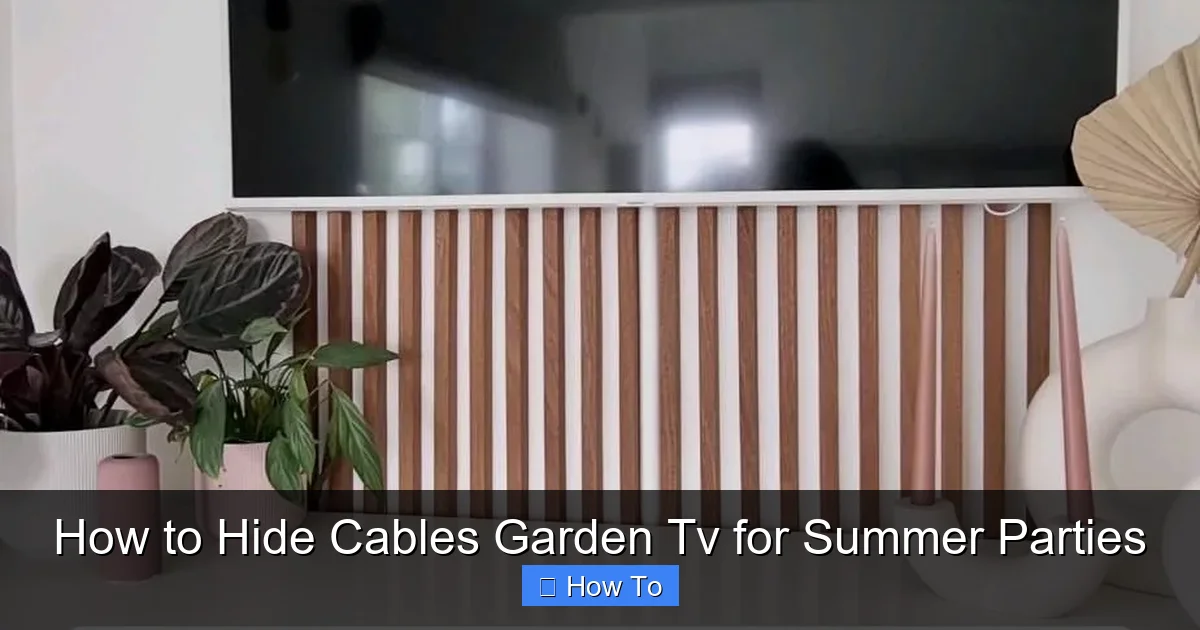
Visual guide about How to Hide Cables Garden Tv for Summer Parties
Image source: i.pinimg.com
Before we get into the how-to, let’s talk about why it’s so important to hide your garden TV cables in the first place.
First and foremost, safety. Exposed cables can be a tripping hazard, especially in dim lighting or when guests are mingling. A single misstep could lead to injury—or worse, damage to your expensive TV or sound system. Wet conditions from rain or sprinklers can also cause electrical shorts or shocks if cables aren’t properly protected.
Second, aesthetics. A clean, uncluttered outdoor space looks more inviting and professional. Cables snaking across your patio or garden path can make even the most beautiful backyard feel messy and unkempt. Hiding them helps maintain a polished, party-ready atmosphere.
Third, durability. Outdoor cables are exposed to sun, rain, temperature changes, and pests. Without proper protection, they can degrade quickly, leading to poor signal quality or complete failure. Hiding and protecting your cables extends their lifespan and ensures reliable performance.
Finally, flexibility. A well-planned cable management system makes it easier to move or upgrade your setup in the future. Whether you want to reposition your TV or add more speakers, hidden cables are easier to manage and modify.
Now that you know why it matters, let’s explore the best ways to hide those cables—starting with the simplest solutions.
Step 1: Assess Your Garden TV Setup
Before you start hiding cables, take a moment to evaluate your current setup. This will help you choose the right method and avoid common mistakes.
Identify All Cables and Devices
Make a list of every cable connected to your garden TV. This typically includes:
– Power cable (from TV to outlet)
– HDMI cable (from TV to streaming device, cable box, or gaming console)
– Speaker or soundbar cables (if using external audio)
– Ethernet cable (for wired internet, if needed)
– Any additional cables for accessories like cameras or microphones
Knowing exactly what you’re working with helps you plan the best hiding strategy.
Map Out the Cable Path
Trace the route each cable takes from the TV to its source. For example:
– Does the power cable run from the TV to an outdoor outlet?
– Does the HDMI cable go from the TV to a media box near the house?
– Are speakers placed on the ground, mounted on walls, or hidden in planters?
Sketch a simple diagram or take photos to visualize the layout. This will help you spot problem areas—like cables crossing high-traffic zones or exposed to direct sunlight.
Measure Distances
Use a measuring tape to determine how long each cable needs to be. Add a little extra length (about 10–15%) for flexibility and future adjustments. This is especially important if you plan to bury cables or run them through conduit.
Check for Obstacles
Look for things that might interfere with your cable run, such as:
– Garden beds or flower pots
– Patio furniture
– Trees, fences, or walls
– Sprinkler systems or underground utilities
Avoid running cables over sharp edges or through areas where they could be crushed or pinched.
Test Signal Strength
If you’re using long HDMI or Ethernet cables, test the signal before finalizing your setup. Longer cables can cause signal degradation, especially with 4K or high-refresh-rate content. Use a signal booster or fiber optic HDMI cable if needed.
Once you’ve assessed your setup, you’re ready to choose the best hiding method.
Step 2: Use Cable Covers and Raceways
One of the easiest and most effective ways to hide garden TV cables is with cable covers or raceways. These are plastic or metal channels that snap over wires, keeping them protected and out of sight.
Choose the Right Type
There are several types of cable covers designed for outdoor use:
– Surface-mounted raceways: These attach to walls, fences, or the ground with screws or adhesive. Ideal for short runs along flat surfaces.
– Flexible cable protectors: Made from rubber or PVC, these are great for covering cables on patios or decks. They often have a hinged top for easy access.
– Decorative covers: Some raceways mimic wood, stone, or metal finishes to blend into your garden décor.
Look for products labeled “weather-resistant” or “UV-resistant” to ensure they won’t crack or fade in the sun.
Install the Raceways
Follow these steps for a clean installation:
1. Clean the surface where you’ll attach the raceway (e.g., wall, fence, or deck).
2. Measure and cut the raceway to the correct length using a hacksaw or utility knife.
3. Open the raceway and lay the cables inside.
4. Close the cover and secure it with screws or outdoor-rated adhesive.
5. For ground-level covers, ensure they’re flush with the surface to avoid tripping.
Tips for a Professional Look
– Paint the raceway to match your wall or fence color.
– Use corner pieces or connectors for clean 90-degree turns.
– Group multiple cables together to reduce clutter.
– Label each cable inside the raceway for easy identification later.
Cable covers are ideal for temporary or semi-permanent setups. They’re affordable, easy to install, and can be removed or repositioned as needed.
Step 3: Bury Cables Underground
For a truly hidden, permanent solution, consider burying your cables underground. This method is perfect if your TV is far from the house or if you want a completely clean look.
Use the Right Cables and Conduit
Not all cables are safe to bury. You’ll need:
– Direct burial-rated cables: These have extra insulation to protect against moisture and soil chemicals. Look for labels like “UF” (underground feeder) for power or “CMR” or “CMX” for data cables.
– PVC conduit: A rigid plastic pipe that protects cables from damage during burial and makes future upgrades easier.
Never bury standard indoor cables—they can degrade quickly and pose a fire hazard.
Plan the Trench
Follow these guidelines:
– Dig a trench at least 18–24 inches deep (check local codes—some areas require deeper burial).
– Run the trench in a straight line if possible, avoiding sharp bends.
– Keep the trench away from tree roots, sprinkler lines, and other utilities.
Use a trenching shovel or rent a small trencher for larger jobs.
Install the Conduit and Cables
1. Lay the PVC conduit in the trench.
2. Feed the cables through the conduit using a fish tape or string.
3. Seal the ends of the conduit with waterproof caps to keep out moisture.
4. Backfill the trench with soil, tamping it down gently.
Connect to Outdoor Outlets
At the house end, connect the cables to a weatherproof outdoor outlet or junction box. Use GFCI (ground fault circuit interrupter) outlets for safety.
At the TV end, bring the cables up through a conduit stub or wall penetration, sealing it with outdoor caulk.
Pros and Cons
Pros:
– Completely hidden
– Long-lasting and durable
– Protects cables from weather and pests
Cons:
– Requires digging and planning
– Higher upfront cost
– Harder to modify later
Burying cables is a great option if you’re committed to a long-term garden TV setup.
Step 4: Hide Cables with Garden Décor
If you prefer a more natural, DIY approach, use your garden’s existing features to conceal cables.
Use Planters and Pots
Place large planters or flower pots along the cable path. Run cables behind or through them. Choose pots with drainage holes at the bottom—you can feed cables through and cover the hole with a rubber grommet.
For a seamless look, use tall plants like bamboo, ornamental grasses, or climbing vines to block the view of wires.
Install Trellises or Screens
Mount a trellis or privacy screen along a fence or wall. Run cables behind it and train climbing plants like ivy or jasmine to grow over the surface. Over time, the foliage will completely hide the wires.
Repurpose Outdoor Furniture
Use benches, storage boxes, or outdoor cabinets to hide cables. For example:
– Place a weatherproof storage bench near the TV and run cables underneath.
– Use a hollow outdoor coffee table to conceal a media box and cables.
– Mount speakers inside decorative garden lanterns or planters.
Create a Cable Channel with Mulch or Gravel
For ground-level cables, dig a shallow trench (2–3 inches deep) and cover it with mulch, gravel, or pavers. This hides the cables while allowing easy access for maintenance.
Blend with Landscaping
Route cables along garden edges, under stepping stones, or behind shrubs. Use landscape fabric or edging to keep the area tidy.
This method works best for short cable runs and adds a creative, personalized touch to your outdoor space.
Step 5: Go Wireless (When Possible)
The ultimate way to eliminate cables? Go wireless.
Use Wireless HDMI Kits
Wireless HDMI transmitters send video and audio from your media box to the TV without cables. Most kits have a range of 30–100 feet and support 4K resolution.
Setup is simple:
1. Connect the transmitter to your cable box, streaming device, or gaming console.
2. Plug the receiver into your TV’s HDMI port.
3. Power both units and pair them.
Look for kits with low latency and strong signal penetration through walls or foliage.
Switch to Bluetooth or Wi-Fi Speakers
Instead of running speaker cables, use wireless outdoor speakers. Many models are weatherproof, battery-powered, and connect via Bluetooth or Wi-Fi.
Place them around your seating area for immersive sound without the clutter.
Use Battery-Powered Devices
Some streaming devices and soundbars now offer battery options. While not ideal for all-day use, they’re great for short parties or events.
Limitations of Wireless
– Signal interference from walls, trees, or other electronics
– Limited range compared to wired connections
– Potential lag for gaming or live sports
Still, wireless tech is improving rapidly and can significantly reduce cable clutter.
Step 6: Secure and Protect Cables
No matter which hiding method you choose, always protect your cables from damage.
Use Cable Ties and Clips
Secure loose cables to walls, fences, or furniture with outdoor-rated zip ties or adhesive clips. Avoid over-tightening, which can damage insulation.
Apply Weatherproofing
– Wrap outdoor connections with electrical tape and silicone sealant.
– Use weatherproof outlet covers and junction boxes.
– Store media boxes in waterproof enclosures.
Label Everything
Use waterproof labels or colored tape to mark cables. This makes troubleshooting and upgrades much easier.
Regular Maintenance
Check your setup before each party:
– Look for frayed wires or loose connections.
– Clear debris from raceways or trenches.
– Test all devices to ensure they’re working.
A little upkeep goes a long way in preventing problems.
Troubleshooting Common Issues
Even with the best planning, issues can arise. Here’s how to fix common problems:
Cables Are Still Visible
– Try a different hiding method (e.g., switch from raceways to décor).
– Use longer planters or taller plants for better coverage.
– Paint cables to match the surface (use outdoor spray paint).
Signal Loss or Poor Quality
– Check for damaged cables or loose connections.
– Use signal boosters for long HDMI runs.
– Switch to fiber optic cables for 4K content.
Water Damage
– Ensure all outdoor connections are sealed.
– Use waterproof enclosures for media boxes.
– Elevate cables off the ground in wet areas.
Tripping Hazards Remain
– Re-route cables away from walkways.
– Use low-profile cable covers.
– Add motion-sensor lights to illuminate paths at night.
Pets or Pests Chewing Cables
– Use metal conduit or armored cables.
– Apply pet-safe deterrent sprays.
– Keep cables elevated or buried.
With these fixes, you can keep your setup safe and functional.
Conclusion
Hiding cables for your garden TV doesn’t have to be a daunting task. With the right approach, you can create a clean, safe, and stylish outdoor entertainment space that’s perfect for summer parties.
Start by assessing your setup and choosing the best method for your needs—whether it’s cable covers, underground burial, garden décor, or wireless tech. Always prioritize safety, weather resistance, and accessibility.
Remember, the goal isn’t just to hide the cables—it’s to enhance your outdoor experience. A well-managed setup lets you focus on what really matters: enjoying time with friends and family under the summer sky.
So grab your tools, plan your layout, and get ready to host the best backyard bash of the season—cable-free and stress-free.