Hiding cables for your garden TV doesn’t have to be complicated or expensive. With the right tools and a bit of planning, you can create a clean, safe, and stylish outdoor entertainment setup. This guide walks you through practical, step-by-step methods to conceal wires and keep your balcony or patio looking great.
Key Takeaways
- Plan your layout first: Measure your space and map out where your TV, speakers, and power sources will go before running any cables.
- Use weatherproof cable covers: Choose outdoor-rated raceways or conduits to protect wires from rain, sun, and foot traffic.
- Route cables along walls and railings: Tuck wires behind trim, under railings, or along structural edges to keep them out of sight.
- Anchor cables securely: Use clips, ties, or adhesive mounts rated for outdoor use to prevent sagging or tripping hazards.
- Label and organize cables: Use color-coded tags or labels to identify each wire for easy troubleshooting later.
- Test before finalizing: Always plug in and test your setup before securing cables permanently.
- Prioritize safety: Never run power cables across walkways without proper protection, and avoid overloading outdoor outlets.
How to Hide Cables for Garden TV on Your Balcony or Patio
So, you’ve set up a garden TV on your balcony or patio—great choice! Nothing beats relaxing outdoors with your favorite show or movie under the stars. But let’s be honest: those dangling power cords, HDMI cables, and speaker wires can quickly turn your peaceful oasis into a messy eyesore. Worse, they can become tripping hazards or get damaged by weather and foot traffic.
The good news? You don’t need to be a DIY expert to hide cables for your garden TV. With a few smart strategies and the right tools, you can keep your outdoor entertainment area clean, safe, and stylish. Whether you’re working with a small balcony or a spacious patio, this guide will walk you through practical, step-by-step methods to conceal those unsightly wires—without breaking the bank or calling in a professional.
In this comprehensive how-to guide, you’ll learn how to plan your cable layout, choose the best hiding solutions, and install them securely. We’ll cover everything from weatherproof raceways and cable clips to creative DIY tricks using planters and furniture. Plus, we’ll share safety tips and troubleshooting advice to help you avoid common pitfalls.
By the end, your garden TV setup will look sleek, organized, and ready for year-round enjoyment. Let’s get started!
Step 1: Plan Your Cable Layout
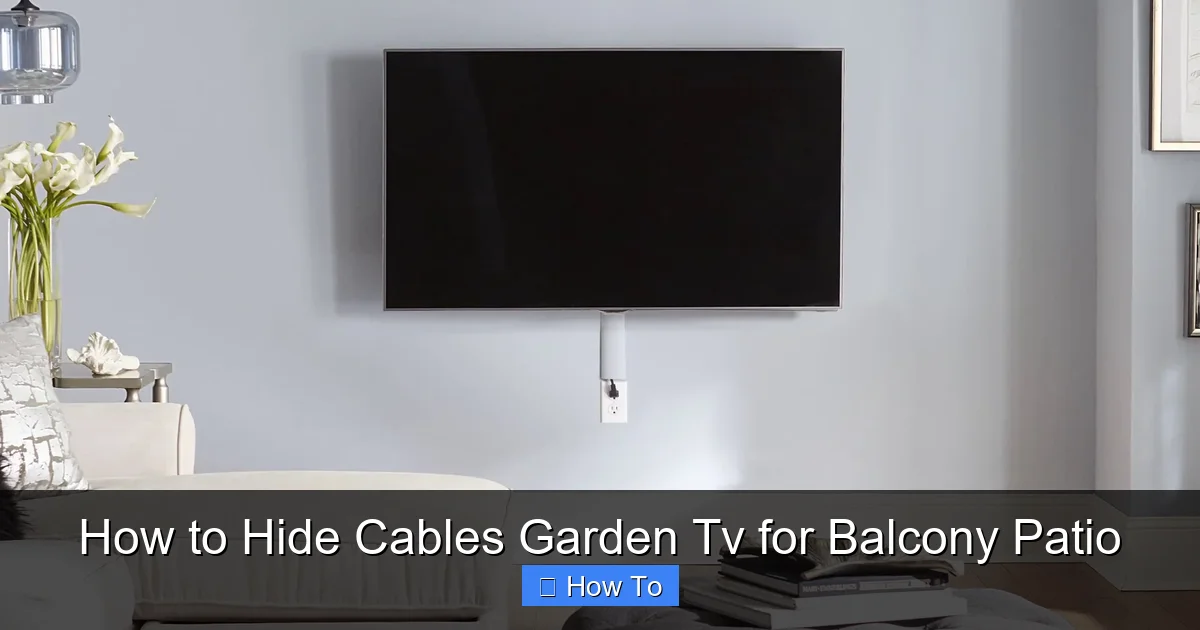
Visual guide about How to Hide Cables Garden Tv for Balcony Patio
Image source: i0.wp.com
Before you touch a single cable, take time to plan. A little prep work now saves hours of frustration later.
Measure Your Space
Start by measuring the distance between your TV, power source, speakers, and any other devices. Use a tape measure to get accurate lengths. Don’t forget to account for extra slack—cables shouldn’t be pulled tight, as this can damage connectors over time.
For example, if your TV is 8 feet from the outlet, plan for at least 10 feet of cable to allow for gentle curves and secure anchoring.
Map Out the Route
Sketch a simple diagram of your balcony or patio. Mark where your TV will sit, where the power outlet is, and where speakers or streaming devices will go. Then, draw the path each cable will take.
Ask yourself:
– Can I run cables along the wall?
– Is there a railing I can tuck wires behind?
– Are there furniture pieces that can help hide cords?
Avoid running cables across high-traffic areas like doorways or walkways unless absolutely necessary. If you must cross a path, use a protective cover (we’ll cover that later).
Identify Power Sources
Check how many outdoor outlets you have and their locations. If you’re short on outlets, consider using a weatherproof extension cord or a power strip designed for outdoor use. Just make sure it’s rated for exterior conditions and has a built-in circuit breaker for safety.
Pro tip: Use a GFCI (ground fault circuit interrupter) outlet if possible. These shut off power automatically if they detect a short, reducing the risk of electric shock.
Step 2: Choose the Right Cable Hiding Solutions
Not all cable covers are created equal—especially when it comes to outdoor use. You need products that can withstand sun, rain, and temperature changes.
Weatherproof Cable Raceways
Cable raceways are plastic or metal channels that snap over wires to hide and protect them. Look for models labeled “outdoor” or “weather-resistant.” These are typically made from UV-stabilized PVC or aluminum, so they won’t crack or fade in the sun.
Popular brands like D-Line and Legrand offer sleek, low-profile raceways that blend into walls and railings. They come in white, black, or paintable finishes, so you can match your décor.
Flexible Conduit
For more heavy-duty protection, use flexible conduit. This corrugated plastic tubing wraps around cables and can be bent around corners. It’s ideal for running wires along uneven surfaces or under railings.
You’ll need conduit clips to secure it to walls or posts. Make sure to use stainless steel or plastic clips—metal ones can rust outdoors.
Cable Clips and Adhesive Mounts
For shorter runs or temporary setups, adhesive cable clips are a quick fix. Choose outdoor-rated versions with strong 3M adhesive backing. These work well on smooth surfaces like painted walls or metal railings.
Avoid using indoor clips—they’ll fall off in rain or humidity.
Zip Ties and Velcro Straps
Use zip ties to bundle cables together neatly. For a reusable option, go with Velcro straps. These are great for grouping HDMI, power, and audio cables so they move as one unit.
Tip: Leave a little slack in the bundle so you can unplug devices without disconnecting everything.
Step 3: Run Cables Along Walls and Railings
Now it’s time to put your plan into action. The goal is to keep cables out of sight while protecting them from damage.
Start at the Power Source
Begin by plugging in your power strip or extension cord. Then, route the main power cable along the wall toward your TV. Use cable clips every 12–18 inches to keep it snug and secure.
If your wall has baseboards or trim, tuck the cable behind them. Many raceways are designed to snap over trim for a seamless look.
Use Railings to Your Advantage
Balcony railings are perfect for hiding cables. Run wires along the underside of the railing or between balusters. If your railing is metal, use adhesive clips rated for metal surfaces.
For wooden railings, you can drill small holes (carefully!) to thread cables through. Just make sure to seal the holes with outdoor caulk to prevent water damage.
Avoid Sharp Bends
Never bend cables at sharp 90-degree angles. This can damage the internal wires and cause signal loss. Instead, use gentle curves with a radius of at least 2–3 inches.
If you need to turn a corner, use a raceway corner piece or a flexible conduit elbow.
Step 4: Hide Cables with Furniture and Décor
Sometimes, the best hiding spot is in plain sight. Use your outdoor furniture and décor to camouflage cables.
Use Planters and Pots
Place large planters or pots along the cable route. Run wires behind or under them. You can even drill a small hole in the bottom of a pot (if it’s not holding soil) to thread a cable through.
Bonus: Add trailing plants like ivy or petunias to drape over the edges and further conceal wires.
Repurpose Outdoor Storage
Use weatherproof storage boxes, benches, or cabinets to hide power strips and streaming devices. Just make sure there’s ventilation to prevent overheating.
Label the box “Electrical” so you remember what’s inside—and keep it away from kids and pets.
Camouflage with Rugs and Mats
If you must run a cable across the floor, use an outdoor rug or mat to cover it. Choose a thick, non-slip rug that lies flat. Avoid thin mats—they can bunch up and create tripping hazards.
For extra protection, place a cable protector strip (like a rubber threshold ramp) under the rug.
Step 5: Secure and Protect Cables
Once your cables are in place, it’s time to lock them down.
Use Outdoor-Rated Fasteners
Avoid indoor staples or tape—they won’t hold up outdoors. Instead, use:
– Plastic zip ties with UV protection
– Stainless steel cable clips
– Outdoor adhesive mounts
Space fasteners every 12–18 inches to prevent sagging.
Seal Entry Points
If you drill holes in walls, railings, or planters, seal them with outdoor silicone caulk. This prevents water from seeping in and damaging your cables or structure.
Let the caulk dry completely before running cables through.
Label Your Cables
Use colored tape, labels, or tags to identify each cable. For example:
– Red = Power
– Blue = HDMI
– Green = Audio
This makes troubleshooting much easier if something stops working.
Step 6: Test Your Setup
Before you call it a day, test everything.
Plug In and Power Up
Turn on your TV, speakers, and any streaming devices. Check that all inputs are working and the picture and sound are clear.
If something isn’t working, double-check connections and labels.
Check for Interference
Sometimes, power cables can interfere with HDMI or audio signals. If you notice flickering or static, try rerouting the affected cable away from power lines.
Use shielded HDMI cables for better performance.
Inspect for Safety
Walk around your space and look for:
– Loose cables that could trip someone
– Exposed wires
– Overloaded outlets
Make adjustments as needed.
Troubleshooting Common Issues
Even with the best planning, problems can pop up. Here’s how to fix the most common ones.
Cables Keep Falling Off
If adhesive clips or mounts keep falling off, the surface might be dirty or uneven. Clean the area with rubbing alcohol and let it dry. For rough surfaces, use mechanical fasteners like screws or zip ties instead.
Signal Loss or Poor Picture Quality
This is often caused by damaged cables or interference. Check for kinks, cuts, or loose connections. Replace any damaged cables and reroute them away from power sources.
Water Getting Into Connections
Use waterproof cable glands or electrical tape to seal outdoor connections. For extra protection, place power strips in a weatherproof enclosure.
Animals Chewing Cables
Squirrels and birds love to nibble on wires. Use metal conduit or cable guards to protect exposed cables. You can also spray a pet-safe deterrent around the area.
Safety Tips for Outdoor Cable Management
Your garden TV setup should be fun—not dangerous. Follow these safety rules:
- Never run power cables under carpets or rugs without protection. This can cause overheating and fire hazards.
- Use only outdoor-rated extension cords and power strips. Indoor ones aren’t built to handle moisture or UV exposure.
- Keep cables away from water sources. Don’t run wires near pools, fountains, or sprinklers.
- Unplug devices during storms. Lightning can surge through power lines and damage electronics.
- Don’t overload outlets. Check the wattage of your devices and stay below the outlet’s limit.
Creative DIY Ideas to Hide Cables
Want to go beyond basic raceways? Try these fun, budget-friendly ideas.
Painted PVC Pipes
Cut a length of PVC pipe in half lengthwise. Paint it to match your wall or railing. Snap it over cables for a custom look.
Hanging Basket Cable Cover
Use a hanging wire basket (like those used for plants) to hold power strips and loose cables. Hang it near your TV for easy access.
Fake Rock or Log Cover
Buy a hollow decorative rock or log from a garden store. Drill a small hole in the bottom, thread cables through, and place it over your power strip.
Outdoor Art Panel
Mount a piece of outdoor-safe wood or metal panel on the wall behind your TV. Run cables behind it and paint the panel to match your décor.
Conclusion
Hiding cables for your garden TV on a balcony or patio doesn’t have to be a headache. With a little planning, the right tools, and some creativity, you can create a clean, safe, and stylish outdoor entertainment space.
Start by mapping out your layout and choosing weatherproof solutions like raceways, conduit, and outdoor clips. Use furniture, planters, and décor to camouflage wires, and always test your setup before finalizing.
Remember: safety comes first. Avoid overloading outlets, keep cables dry, and never run power cords across walkways without protection.
Now, sit back, relax, and enjoy your favorite shows under the open sky—without the mess of tangled wires. Your garden TV setup is ready for movie nights, sports games, and lazy Sunday afternoons. Happy viewing!