Keeping your outdoor television clean ensures clear viewing and extends its lifespan in harsh weather. This guide walks you through safe cleaning methods, tools, and maintenance tips tailored for outdoor kitchen environments.
Key Takeaways
- Use the right tools: Microfiber cloths, distilled water, and mild cleaners prevent screen damage and streaks.
- Power off and unplug: Always turn off and disconnect your TV before cleaning to avoid electrical hazards.
- Avoid harsh chemicals: Ammonia, alcohol, or abrasive cleaners can damage anti-reflective coatings and screens.
- Clean regularly: Dust, pollen, and grease buildup can affect picture quality and ventilation—clean every 2–4 weeks.
- Protect from moisture: Use covers when not in use and ensure proper drainage around the outdoor kitchen area.
- Check manufacturer guidelines: Follow specific care instructions for your TV model to maintain warranty coverage.
- Inspect for damage: Look for cracks, loose seals, or corrosion during cleaning to catch issues early.
How to Clean Outdoor Television for Outdoor Kitchen
If you’ve invested in an outdoor television for your outdoor kitchen, you know how much it enhances your alfresco dining and entertainment experience. Whether you’re watching the game while grilling or catching up on your favorite show under the stars, a clean screen makes all the difference. But unlike indoor TVs, outdoor models face unique challenges—dust, pollen, rain, humidity, and even cooking grease from nearby grills can quickly dull the picture and harm performance.
Cleaning your outdoor television properly isn’t just about aesthetics. It’s about protecting your investment, ensuring optimal picture quality, and extending the life of your device. Many people make the mistake of using household cleaners or rough cloths, which can scratch screens or damage protective coatings. Others neglect regular maintenance, leading to buildup that’s harder to remove over time.
In this comprehensive guide, you’ll learn exactly how to clean your outdoor television safely and effectively. We’ll cover the best tools and materials, step-by-step cleaning instructions, tips for dealing with tough grime, and how to maintain your TV between cleanings. Whether your TV is mounted above the grill or tucked into a weatherproof enclosure, these methods will keep it looking sharp and working perfectly—rain or shine.
By the end of this guide, you’ll have a clear routine to follow, know what to avoid, and feel confident that your outdoor TV is protected from the elements. Let’s get started!
Why Cleaning Your Outdoor TV Matters
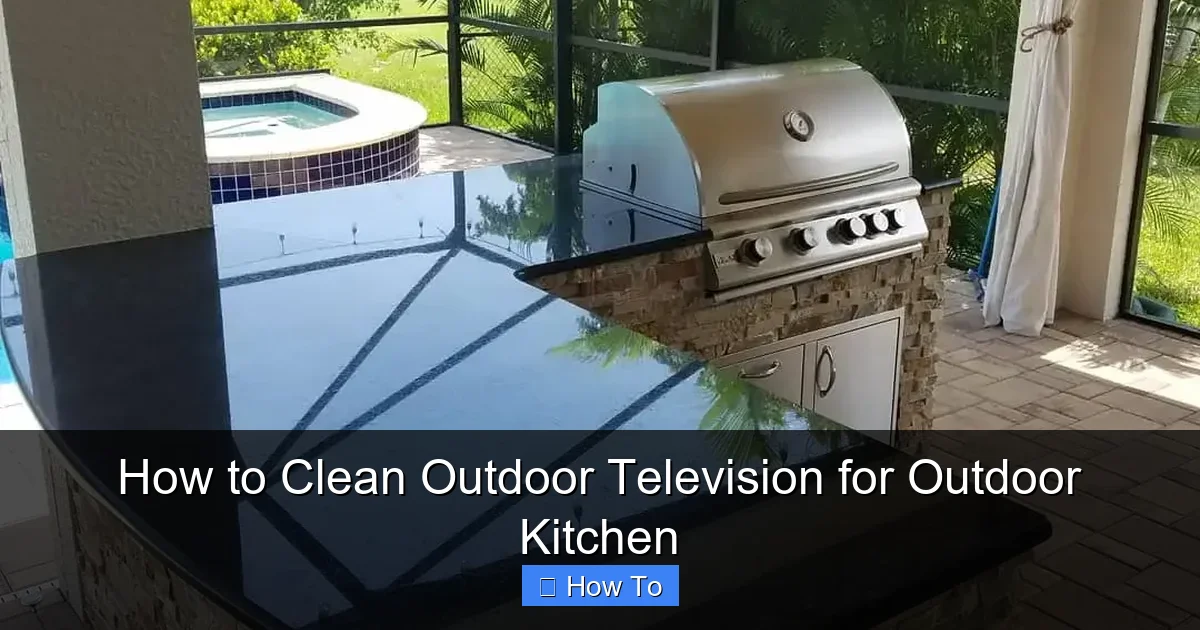
Visual guide about How to Clean Outdoor Television for Outdoor Kitchen
Image source: i0.wp.com
Outdoor televisions are built to withstand the elements, but that doesn’t mean they’re maintenance-free. In fact, the very features that make them durable—like weatherproof casings and anti-glare screens—require special care to keep functioning at their best.
One of the biggest reasons to clean your outdoor TV regularly is picture quality. Dust, pollen, and smudges can scatter light and reduce clarity, making it harder to see details, especially in bright daylight. If you’ve ever tried to watch a movie on a hazy screen while cooking dinner outdoors, you know how frustrating that can be.
Another critical reason is longevity. Outdoor TVs are expensive investments, often costing two to three times more than their indoor counterparts. Regular cleaning helps prevent long-term damage from moisture, corrosion, and debris buildup. For example, if water seeps into the ventilation areas due to clogged vents, it can lead to internal damage over time.
Additionally, outdoor kitchens generate a lot of airborne grease and smoke. Even if your TV is several feet away from the grill, tiny particles can settle on the screen and casing. Over time, this creates a sticky film that’s tough to remove and can attract more dirt.
Finally, cleanliness affects safety. A dirty screen might seem harmless, but if grime builds up near electrical components or ventilation ports, it can interfere with heat dissipation. Overheating is a common cause of premature TV failure, especially in enclosed outdoor spaces.
In short, cleaning your outdoor television isn’t just a chore—it’s a smart habit that protects your investment, improves your viewing experience, and keeps your outdoor kitchen looking polished.
Tools and Materials You’ll Need
Before you start cleaning, it’s important to gather the right tools. Using the wrong products can do more harm than good, so let’s go over what you’ll need for a safe and effective clean.
Essential Cleaning Supplies
- Microfiber cloths: These are a must. They’re soft, lint-free, and won’t scratch your screen. Use one for wiping and a second dry one for buffing.
- Distilled water: Tap water contains minerals that can leave streaks or spots. Distilled water ensures a clean, residue-free finish.
- Mild dish soap: A few drops of gentle, non-abrasive dish soap mixed with water can help cut through grease without damaging the screen.
- Spray bottle: Use a clean spray bottle to mist your cleaning solution. Never spray directly onto the TV—spray the cloth instead.
- Soft-bristle brush or compressed air: Great for gently removing dust from vents, seams, and hard-to-reach areas.
- Isopropyl alcohol (optional): Only use if recommended by the manufacturer. Dilute to 50% with distilled water for safe use on non-screen surfaces.
Optional but Helpful Tools
- Telescoping duster: Useful for reaching mounted TVs without a ladder.
- Screen cleaning kit: Some kits include pre-moistened wipes and specialized cloths designed for electronics.
- Soft sponge or cloth for the casing: Use a separate cloth for the TV’s exterior to avoid cross-contamination.
- Ladder or step stool: Ensure safe access to your TV, especially if it’s mounted high.
What to Avoid
- Ammonia-based cleaners: Found in window cleaners like Windex—these can strip anti-reflective coatings.
- Alcohol-based wipes: Unless approved by the manufacturer, they can damage screen coatings.
- Paper towels or rough cloths: These can scratch the screen.
- Household all-purpose cleaners: Often too harsh for delicate electronics.
- Excess water: Never soak the TV or let liquid drip into vents or ports.
Having the right tools on hand makes the process faster, safer, and more effective. Now that you’re prepared, let’s move on to the cleaning steps.
Step-by-Step Guide to Cleaning Your Outdoor TV
Cleaning your outdoor television doesn’t have to be complicated. Follow these simple steps to keep your screen crystal clear and your TV in top condition.
Step 1: Power Off and Unplug the TV
Safety first. Before you touch anything, turn off your television and unplug it from the power source. This prevents electrical shock and protects the internal components from accidental damage.
If your TV is hardwired or connected to a weatherproof outlet, make sure the circuit is switched off at the breaker. Even outdoor-rated electronics should never be cleaned while powered on.
Wait at least 10–15 minutes after turning it off to allow the TV to cool down. This is especially important if it’s been running in direct sunlight, as the internal temperature can remain high.
Step 2: Dust the Screen and Casing
Start by removing loose dust and debris. Use a dry microfiber cloth or a soft-bristle brush to gently wipe the screen from top to bottom. Avoid pressing too hard—let the cloth do the work.
For vents, seams, and corners, use compressed air or a small brush to dislodge dust. Be careful not to blow air directly into the TV’s internal components; aim for the outer edges.
If your TV has a protective cover or enclosure, remove it (if possible) and clean it separately. Wipe it down with a damp cloth and let it dry before reattaching.
Step 3: Prepare Your Cleaning Solution
Mix a gentle cleaning solution in your spray bottle. Combine:
– 1 cup of distilled water
– 1–2 drops of mild dish soap
Shake gently to mix—don’t create suds. If you’re dealing with heavy grease (common near grills), you can add a few drops of isopropyl alcohol (diluted to 50%), but only if your TV’s manual allows it.
Never use undiluted cleaners or spray them directly on the screen. Always apply the solution to your cloth first.
Step 4: Wipe the Screen Gently
Lightly mist your microfiber cloth with the cleaning solution. The cloth should be damp, not wet. Excess moisture can seep into the edges of the screen and damage internal components.
Starting at the top, wipe the screen in slow, circular motions. Work your way down, covering the entire surface. Avoid pressing too hard—gentle pressure is all you need.
For stubborn spots or fingerprints, hold the damp cloth over the area for a few seconds to loosen the grime, then wipe gently.
Once the screen is clean, use a second dry microfiber cloth to buff it dry. This removes any remaining moisture and prevents streaks.
Step 5: Clean the TV Casing and Mount
Use a separate cloth to clean the TV’s exterior casing. Wipe down the bezel, buttons, and mounting bracket with a slightly damp cloth. Pay attention to areas where dirt and grease tend to accumulate, like around the power button or ventilation slots.
If your TV is mounted on a wall or under a cabinet, clean the mounting hardware as well. Use a soft brush to remove dust from screws and brackets.
For metal parts, a small amount of isopropyl alcohol on a cloth can help remove rust or corrosion—just be sure to dry thoroughly afterward.
Step 6: Check Vents and Ports
Outdoor TVs have ventilation ports to prevent overheating. Over time, these can get clogged with dust, leaves, or spider webs.
Use compressed air to blow out any debris from the vents. Hold the can upright and spray in short bursts. Avoid tilting the can, as this can release liquid.
If you see visible buildup, use a soft brush to gently dislodge it. Never use sharp objects like paperclips or pins—they can damage internal components.
Also, check cable ports (HDMI, power, etc.) for dust or moisture. Wipe them gently with a dry cloth.
Step 7: Let It Dry Completely
After cleaning, allow your TV to air dry for at least 15–20 minutes before plugging it back in. This ensures no moisture remains in sensitive areas.
If you’re in a humid environment, consider using a fan to speed up drying—just don’t point it directly at the screen.
Once dry, reconnect the power and turn on the TV to make sure everything is working properly.
Dealing with Tough Stains and Grease
Even with regular cleaning, outdoor TVs can develop stubborn stains—especially in kitchen areas. Here’s how to handle common challenges.
Grease Splatter from Grilling
Cooking fumes and grease particles can settle on your screen, creating a hazy film. To remove it:
– Mix 1 part distilled water with 1 part white vinegar.
– Add a drop of dish soap.
– Apply to a microfiber cloth and wipe gently.
– Follow with a dry cloth to buff.
Vinegar is mildly acidic and helps break down grease without damaging the screen. Avoid using it on anti-reflective coatings unless approved by the manufacturer.
Water Spots and Mineral Deposits
If you live in an area with hard water, rain or sprinklers can leave mineral spots. These won’t come off with water alone.
– Use a solution of 70% distilled water and 30% isopropyl alcohol.
– Apply with a cloth and wipe in one direction.
– Dry immediately with a clean microfiber cloth.
This mixture evaporates quickly and leaves no residue.
Bird Droppings or Tree Sap
These can be acidic and damaging if left too long. Remove them as soon as possible.
– Dampen a cloth with distilled water and hold it over the spot for 30 seconds to soften.
– Gently wipe away—do not scrub.
– If needed, use a drop of dish soap solution.
– Rinse with a damp cloth and dry thoroughly.
Never use solvents like acetone or nail polish remover—they can dissolve screen coatings.
Mold or Mildew
In humid climates, mold can grow on the casing or behind the screen. This is rare but possible.
– Wipe with a cloth dampened with a 50/50 mix of water and white vinegar.
– Let it sit for 5 minutes, then wipe clean.
– Dry completely and improve ventilation if needed.
If mold persists, consult a professional—it may indicate a seal failure.
Maintenance Tips for Long-Term Care
Cleaning your outdoor TV once isn’t enough. Regular maintenance keeps it performing at its best. Here’s how to stay on top of it.
Create a Cleaning Schedule
Set a reminder to clean your TV every 2–4 weeks, depending on your environment. If you live in a dusty area or use your outdoor kitchen daily, clean it weekly.
Seasonal deep cleans (spring and fall) are also a good idea to remove pollen, leaves, or winter grime.
Use a Weatherproof Cover
When your TV isn’t in use, especially during storms or off-seasons, cover it with a breathable, UV-resistant cover. This protects against rain, sun damage, and debris.
Avoid plastic covers that trap moisture—opt for fabric covers with ventilation.
Monitor Humidity and Drainage
High humidity can lead to condensation inside the TV. Ensure your outdoor kitchen has good airflow and that water drains away from the TV area.
If you notice fogging on the screen after rain, it may indicate a seal failure—contact the manufacturer.
Inspect Seals and Gaskets
Check the rubber seals around the screen and ports regularly. Look for cracks, brittleness, or gaps. Damaged seals allow moisture in and reduce weather resistance.
Replace seals if needed, or consult a technician.
Keep the Area Clean
A clean outdoor kitchen means a cleaner TV. Regularly sweep the deck, wipe down counters, and clean the grill to reduce airborne grease and dust.
Consider installing a range hood or exhaust fan near the grill to pull smoke and grease away from the TV.
Troubleshooting Common Cleaning Issues
Even with the best care, problems can arise. Here’s how to handle common cleaning-related issues.
Streaks or Haze on the Screen
This usually happens when too much cleaner is used or the cloth isn’t rinsed well.
– Solution: Wipe the screen with a cloth dampened with distilled water only. Buff dry with a clean microfiber cloth.
Moisture Inside the Screen
If you see condensation or water droplets behind the glass, the seal is likely broken.
– Solution: Do not attempt to open the TV. Contact the manufacturer or a certified technician. Continuing to use it could cause permanent damage.
Scratches on the Screen
These are often caused by using rough cloths or cleaning too aggressively.
– Solution: Minor scratches can sometimes be minimized with a screen polishing kit, but prevention is best. Always use microfiber and gentle pressure.
Cleaner Smells or Residue
Strong odors or sticky residue suggest you used the wrong cleaner.
– Solution: Wipe the screen with a cloth dampened with distilled water. Let it dry completely. Avoid using that product again.
TV Won’t Turn On After Cleaning
This could be due to moisture in the ports or a tripped circuit.
– Solution: Unplug the TV, wait 30 minutes, and check all connections. If it still doesn’t work, consult a professional.
Conclusion
Keeping your outdoor television clean is essential for enjoying crisp, clear viewing in your outdoor kitchen. With the right tools, techniques, and routine, you can protect your investment and extend its lifespan—even in challenging weather conditions.
Remember to always power off and unplug your TV before cleaning, use only gentle, screen-safe products, and avoid excess moisture. Regular maintenance, including dusting, deep cleaning, and inspections, will keep your TV looking and performing like new.
By following the steps in this guide, you’ll not only improve picture quality but also prevent costly repairs down the line. Your outdoor kitchen is a space for relaxation and entertainment—don’t let a dirty screen ruin the experience.
So grab your microfiber cloth, mix up a gentle cleaner, and give your outdoor TV the care it deserves. Your future self (and your guests) will thank you.