Hiding cables for an outdoor TV in hot climates requires smart planning and heat-resistant materials to prevent damage and ensure safety. This guide covers weatherproof enclosures, UV-resistant conduits, and smart routing techniques to keep your setup clean and cool.
Key Takeaways
- Use UV-resistant and heat-tolerant cables: Standard cables degrade quickly under intense sun and heat, so always choose outdoor-rated, UV-protected cables designed for high temperatures.
- Route cables through shaded or enclosed pathways: Avoid direct sunlight by using under-deck routing, wall-mounted raceways, or buried conduits to reduce heat exposure.
- Install weatherproof cable management systems: Use IP65 or higher-rated enclosures, outdoor-rated cable raceways, and sealed junction boxes to protect connections from heat, dust, and moisture.
- Elevate cables off hot surfaces: Never lay cables directly on concrete, metal, or asphalt, as these materials absorb and radiate heat, which can melt insulation.
- Plan for ventilation and heat dissipation: Ensure enclosures and conduits allow airflow to prevent overheating, especially around power adapters and signal boosters.
- Regular maintenance is essential: Inspect cables and enclosures every 3–6 months for signs of cracking, warping, or corrosion due to thermal expansion and UV exposure.
- Consider wireless alternatives where possible: Reduce cable clutter by using wireless HDMI transmitters or Wi-Fi extenders to minimize the number of wires needing protection.
How to Hide Cables Outdoor TV for Hot Climates
Setting up an outdoor TV is a fantastic way to enjoy movies, sports, and shows under the open sky. But in hot climates—where temperatures regularly soar above 90°F (32°C) and UV exposure is intense—managing and hiding cables becomes more than just a cosmetic concern. It’s a matter of safety, durability, and performance. Exposed cables can overheat, degrade, or even become fire hazards when exposed to prolonged heat and sunlight. That’s why knowing how to hide cables outdoor TV for hot climates is essential for a clean, long-lasting setup.
In this guide, you’ll learn step-by-step how to safely and effectively conceal your outdoor TV cables while protecting them from extreme heat, UV rays, and weather. Whether you’re mounting your TV under a pergola, on a patio wall, or by the pool, these strategies will help you create a neat, professional-looking installation that stands up to the elements. We’ll cover the best materials, routing techniques, enclosures, and maintenance tips tailored specifically for hot environments.
Let’s dive in and make your outdoor entertainment area both beautiful and resilient.
Why Cable Management Matters in Hot Climates
Before we get into the how-to, it’s important to understand why proper cable management is critical in hot climates. High temperatures don’t just make you sweat—they can seriously damage your electronics and wiring.
Most standard indoor cables are made with PVC insulation, which begins to soften and degrade at temperatures above 140°F (60°C). In direct sunlight, surfaces like concrete, metal, and dark-colored walls can reach well over 150°F (65°C) on a hot summer day. When cables rest on these surfaces or are exposed to constant UV radiation, the insulation can crack, become brittle, or even melt. This not only shortens the lifespan of your cables but also increases the risk of electrical shorts, signal loss, or fire.
Additionally, heat can affect signal quality. HDMI and coaxial cables are sensitive to temperature fluctuations. Overheating can cause data transmission errors, leading to flickering screens, audio dropouts, or complete signal loss. Power cables and adapters are also at risk—overheated power supplies can fail prematurely or overheat further, creating a safety hazard.
Finally, there’s the aesthetic factor. A tangle of exposed wires looks messy and detracts from your outdoor living space. By hiding cables properly, you create a clean, professional look that enhances your outdoor ambiance.
So, whether you’re dealing with desert heat, tropical humidity, or intense afternoon sun, taking the time to manage your cables correctly is a smart investment.
Step 1: Choose the Right Cables for Hot Weather
The first step in hiding cables outdoor TV for hot climates is selecting the right type of cables. Not all cables are created equal, and using indoor-rated cables outdoors—especially in high-heat areas—is a common mistake.
Use Outdoor-Rated, UV-Resistant Cables
Always choose cables specifically labeled as “outdoor-rated” or “direct burial” if they’ll be exposed to the elements. These cables are built with enhanced insulation and jacketing materials that resist UV degradation, moisture, and temperature extremes.
For example:
– **HDMI cables**: Look for “outdoor HDMI” or “UV-resistant HDMI” with a durable, weatherproof jacket. Avoid cheap, thin cables that may look fine at first but degrade quickly.
– **Power cables**: Use outdoor-rated extension cords or direct-wire solutions with thick, heat-resistant insulation. SJTW or SJTOW rated cords are ideal for outdoor use.
– **Coaxial and speaker wires**: Choose cables with polyethylene or TPE (thermoplastic elastomer) jackets, which handle heat better than standard PVC.
Avoid Indoor Cables
Never use standard indoor cables for outdoor installations. They lack the protective coatings needed to withstand sun and heat. Even if you plan to hide them inside a conduit, the internal heat buildup can still damage them over time.
Consider Cable Length and Gauge
In hot climates, longer cable runs can experience more heat exposure. Use the shortest cable length possible to reduce resistance and heat buildup. For power cables, ensure the gauge (thickness) is appropriate for the distance and power load. A thicker gauge (like 12 or 14 AWG) is better for long runs to prevent voltage drop and overheating.
Example: Choosing the Right HDMI Cable
Let’s say you’re running an HDMI cable from your media box to your outdoor TV, 30 feet away. Instead of using a standard 30-foot indoor HDMI cable, opt for a 30-foot outdoor-rated HDMI cable with a braided nylon jacket and gold-plated connectors. This type of cable is designed to resist UV rays, moisture, and temperature swings—perfect for hot climates.
Step 2: Plan Your Cable Route Strategically
Once you have the right cables, the next step is planning the route. A well-thought-out path not only hides the cables but also protects them from heat and physical damage.
Avoid Direct Sunlight and Hot Surfaces
The golden rule in hot climates: keep cables out of direct sunlight and away from heat-absorbing surfaces. Concrete, asphalt, metal railings, and dark-colored walls can become extremely hot and transfer that heat to nearby cables.
Instead, aim to route cables:
– Under decks or pergolas
– Along shaded walls
– Through interior walls (if accessible)
– Underground (with proper conduit)
Use Natural Shade and Overhangs
Take advantage of existing structures. If your TV is mounted under a covered patio or pergola, run cables along the underside of the structure where they’ll be shaded. This simple step can reduce cable temperature by 20–30°F.
Minimize Cable Length
The shorter the cable run, the less exposure to heat and the lower the risk of signal loss. Position your media source (like a streaming box or receiver) as close to the TV as possible. If you must run a long cable, consider using a signal booster or HDMI extender to maintain quality.
Example: Routing Under a Deck
Imagine your outdoor TV is mounted on a wall next to a raised deck. Instead of running cables along the hot concrete ground, drill a small hole through the deck’s support beam and route the cables underneath. This keeps them shaded, protected, and out of sight. Just make sure to use a grommet or sealant to prevent water ingress.
Step 3: Use Weatherproof Cable Management Solutions
Now that your route is planned, it’s time to hide and protect the cables using outdoor-rated management tools.
Outdoor Cable Raceways
Cable raceways are plastic or metal channels that snap over cables to hide and protect them. For hot climates, choose raceways made from UV-stabilized PVC or aluminum, which resist warping and fading.
Install them along walls, under eaves, or along baseboards. Most come with adhesive backing or mounting screws. Paintable raceways let you match your wall color for a seamless look.
Conduit Systems
For underground or exposed runs, use rigid or flexible electrical conduit. PVC conduit is affordable and easy to work with, while metal conduit offers superior heat resistance and durability.
– **PVC Conduit**: Ideal for buried runs or along walls. Use Schedule 40 or 80 for added strength.
– **Flexible Conduit**: Great for tight spaces or curved paths. Look for UV-resistant types like LFMC (liquidtight flexible metal conduit).
Always seal conduit ends with waterproof caps or silicone to prevent moisture and pests from entering.
Weatherproof Enclosures and Junction Boxes
If you need to connect cables or house a power adapter, use an outdoor-rated junction box with an IP65 or higher rating. These boxes are sealed against dust and water and can withstand temperature extremes.
Mount the enclosure in a shaded area, and ensure it has ventilation if it contains active components like a power supply. Avoid enclosing heat-generating devices in airtight boxes without airflow.
Example: Installing a Raceways System
Suppose your TV is mounted on a stucco wall. Clean the surface, measure the cable path, and cut the raceway to size. Use outdoor-rated adhesive or stainless steel screws to secure it. Feed the cables through, snap the cover on, and paint it to match the wall. Done! Your cables are hidden, protected, and look professional.
Step 4: Elevate Cables Off Hot Surfaces
Even if your cables are hidden, they can still overheat if they’re in contact with hot surfaces. Elevating them reduces heat transfer and improves airflow.
Use Cable Clips and Spacers
Install plastic or metal cable clips that hold wires slightly away from the wall or ground. This creates a small air gap that helps dissipate heat.
For ground-level runs, use cable ramps or elevated trays. These keep cables off hot pavement and make them easier to inspect or replace.
Avoid Laying Cables on Concrete or Metal
Never let cables rest directly on concrete, asphalt, or metal surfaces—especially during peak sun hours. These materials absorb heat and can raise cable temperatures to dangerous levels.
If you must cross a hot surface, use a heat-resistant mat or run the cable through a shaded conduit.
Example: Elevating Under a Pergola
If your TV is under a wooden pergola, use J-hooks or cable clips to suspend the cables from the beams. This keeps them off the hot ground and allows air to circulate around them, reducing heat buildup.
Step 5: Ensure Proper Ventilation and Heat Dissipation
Heat buildup in enclosed spaces can damage cables and electronics. Proper ventilation is key—even in hidden areas.
Choose Ventilated Enclosures
If you’re using a box to house a power adapter or signal booster, select one with built-in vents or add passive ventilation. Avoid completely sealed boxes unless the device is rated for enclosed use.
Allow Space Around Components
Don’t pack cables tightly into conduits or raceways. Leave some room for air to flow. Overcrowding traps heat and increases the risk of insulation damage.
Monitor High-Heat Devices
Devices like power inverters, amplifiers, or wireless transmitters generate heat. Keep them in shaded, well-ventilated areas. Consider using a small outdoor fan or heat sink if necessary.
Example: Ventilating a Media Box Enclosure
If your streaming box is in an outdoor cabinet, drill small holes near the top and bottom for airflow. Use a mesh screen to keep insects out. This simple upgrade can extend the life of your electronics significantly.
Step 6: Consider Wireless Alternatives
One of the best ways to reduce cable clutter—and the need for hiding cables—is to go wireless where possible.
Wireless HDMI Transmitters
These devices send audio and video signals from your media source to your TV without wires. Look for models with strong signal strength and low latency, especially for live sports or gaming.
Most wireless HDMI systems have a range of 30–100 feet and work through walls. Just ensure there’s a clear line of sight and minimal interference.
Wi-Fi Extenders and Mesh Networks
If your outdoor TV relies on Wi-Fi, a weak signal can cause buffering. Use a weatherproof Wi-Fi extender or mesh node to boost coverage. This reduces the need for long Ethernet runs.
Bluetooth Audio
For sound, consider Bluetooth speakers instead of running long audio cables. Many outdoor TVs support Bluetooth, or you can use a Bluetooth transmitter.
Example: Going Wireless for a Clean Look
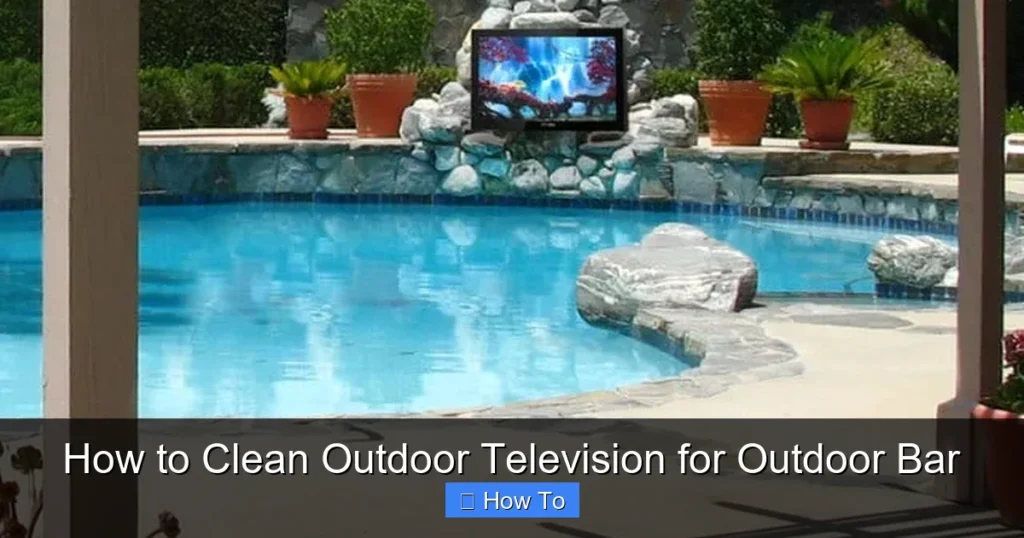
Imagine you’re setting up a TV by the pool. Instead of running HDMI and power cables across the deck, use a wireless HDMI kit and a nearby outdoor outlet. The result? A clean, cable-free setup that’s easy to maintain.
Step 7: Perform Regular Maintenance
Even the best cable management systems need upkeep—especially in harsh climates.
Inspect Every 3–6 Months
Check cables, enclosures, and connections for:
– Cracking or brittleness in insulation
– Warping or discoloration of raceways
– Corrosion on connectors
– Loose or damaged seals
Clean and Re-Seal as Needed
Dust, dirt, and moisture can accumulate in conduits and boxes. Clean them with a dry cloth and reapply silicone sealant if necessary.
Replace Damaged Components Promptly
Don’t wait for a cable to fail. If you notice any signs of wear, replace it immediately. It’s better to spend $20 on a new cable than risk a fire or equipment damage.
Example: Seasonal Checkup
Every spring, before the heat peaks, inspect your outdoor TV setup. Look for sun-bleached raceways, loose clips, or frayed cables. Tighten mounts, clean enclosures, and replace any worn parts. This small effort can prevent big problems down the road.
Troubleshooting Common Issues
Even with the best planning, problems can arise. Here’s how to handle common issues.
Cables Overheating
If your cables feel hot to the touch or your TV flickers, they may be overheating. Check for direct sun exposure, contact with hot surfaces, or overcrowded conduits. Re-route or ventilate as needed.
Signal Loss or Interference
Weak signals can result from long cable runs, poor-quality cables, or heat damage. Use signal boosters, shorter cables, or wireless alternatives.
Water Ingress in Enclosures
If moisture is inside a junction box, check seals and gaskets. Reapply waterproof sealant and ensure all connections are tight.
Pest Intrusion
Rodents and insects love warm, hidden spaces. Use pest-resistant conduit and seal all entry points with steel wool or silicone.
Conclusion
Hiding cables outdoor TV for hot climates isn’t just about aesthetics—it’s about safety, performance, and longevity. By choosing the right materials, planning smart routes, using weatherproof enclosures, and maintaining your system regularly, you can enjoy a clean, reliable outdoor entertainment setup that withstands the heat.
Remember: heat is the enemy of electronics. Protect your cables from direct sun, hot surfaces, and poor ventilation. Use outdoor-rated components, elevate wires, and consider wireless options to reduce clutter. With these strategies, your outdoor TV will stay cool, connected, and looking great for years to come.
Invest a little time now, and you’ll save yourself from costly repairs, signal issues, and safety hazards later. Your backyard oasis deserves nothing less.