Tired of messy cables ruining your outdoor kitchen’s look? This guide shows you how to hide cables for your backyard TV using simple, durable methods that protect wires from weather and wear. Enjoy a clean, professional setup without compromising safety or performance.
Key Takeaways
- Plan your cable route first: Map out the path from your TV to power and signal sources to avoid last-minute changes.
- Use weatherproof conduit or raceways: Protect cables from rain, sun, and pests with outdoor-rated enclosures.
- Mount cables behind cabinets or under counters: Conceal wires along existing structures for a seamless look.
- Label all cables during installation: Makes future troubleshooting or upgrades much easier.
- Test connections before finalizing: Ensure picture, sound, and power work before hiding everything permanently.
- Choose wireless options when possible: Reduce cable clutter with wireless HDMI or streaming devices.
- Follow local electrical codes: Safety first—hire a pro if you’re unsure about wiring near water or grills.
How to Hide Cables Backyard TV for Outdoor Kitchen
So you’ve set up a backyard TV in your outdoor kitchen—congrats! You’re ready to enjoy game nights under the stars, cook while catching up on your favorite shows, or host friends for a movie night al fresco. But there’s one problem: the cables. Power cords, HDMI wires, speaker lines, and antenna cables snaking across your patio or dangling from the ceiling can ruin the clean, inviting vibe you’ve worked so hard to create.
Don’t worry—you’re not alone. Most outdoor entertainment setups face this challenge. The good news? Hiding cables for your backyard TV is totally doable, even if you’re not a DIY expert. With the right tools, a little planning, and some smart techniques, you can keep your outdoor kitchen looking sleek, safe, and organized.
In this guide, we’ll walk you through step-by-step how to hide cables for your backyard TV in an outdoor kitchen. You’ll learn how to route wires neatly, protect them from the elements, and maintain easy access for future upgrades or repairs. Whether you’re using a mounted TV above the grill or a freestanding screen near the bar, these tips will help you achieve a professional, clutter-free look.
We’ll cover everything from planning your layout to choosing the best cable management products, installing weatherproof covers, and even going wireless where possible. By the end, your outdoor space will look as good as it functions—no more tripping hazards, no more tangled mess, and no more eyesores.
Let’s get started!
Step 1: Plan Your Cable Layout
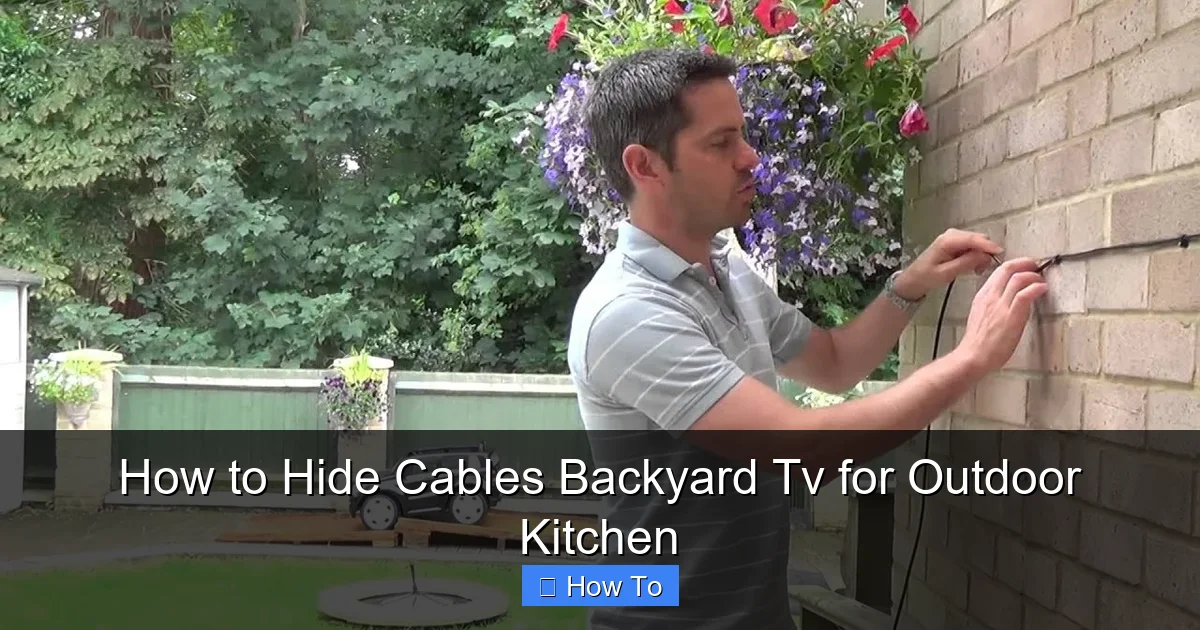
Visual guide about How to Hide Cables Backyard Tv for Outdoor Kitchen
Image source: storables.com
Before you touch a single wire, take time to plan. A little prep work now saves hours of frustration later.
Map Out Your TV and Equipment Locations
Start by identifying where your TV will be mounted and where your other devices are located. Common setups include:
– A wall-mounted TV above the outdoor kitchen counter
– A TV on a weatherproof stand near the grill
– A projector screen with a hidden projector in a cabinet
Next, note where your power source is—usually an outdoor GFCI outlet—and where your signal sources live. These might include:
– A streaming device (like a Roku or Apple TV)
– A cable/satellite box
– A soundbar or outdoor speakers
– An antenna or Wi-Fi extender
Draw a simple sketch of your outdoor kitchen layout. Mark the TV, power outlet, and all devices. Then, trace the shortest possible paths for each cable. Avoid crossing high-traffic areas or placing wires near heat sources like grills or fire pits.
Consider Future Access and Upgrades
Think ahead. Will you want to add more speakers? Upgrade your streaming box? Maybe install a second TV later? Plan your cable routes with flexibility in mind.
For example, if you run HDMI and power cables through a wall or under a counter, leave a little extra length coiled inside a junction box. This makes future swaps easier. Also, consider using pull strings inside conduits—these let you fish new wires later without tearing everything apart.
Check Local Building Codes
Outdoor electrical work often requires permits, especially if you’re running wires through walls, under decks, or near water features. Check with your local building department to ensure your plan complies with safety codes.
If you’re unsure, consult a licensed electrician. It’s better to spend a little extra upfront than risk fire, shock, or code violations.
Step 2: Choose the Right Cable Management Products
Not all cable covers are created equal—especially outdoors. You need products that can handle sun, rain, heat, and pests.
Weatherproof Conduit
For the most protection, use outdoor-rated electrical conduit. PVC conduit is affordable, lightweight, and resistant to moisture and UV rays. It comes in rigid and flexible forms.
– **Rigid PVC conduit** is great for straight runs along walls or under counters.
– **Flexible conduit** (like LFNC) works well around corners or through tight spaces.
Choose conduit with a diameter large enough to fit all your cables with room to spare. A 1-inch conduit can usually handle 2–3 cables comfortably.
Cable Raceway Systems
If you prefer a cleaner, more decorative look, use outdoor cable raceways. These are plastic or metal channels that snap onto walls or cabinets and hide wires inside.
Look for raceways labeled “UV-resistant” and “weatherproof.” Some even come in colors that match common outdoor finishes like stainless steel, black, or white.
Popular brands include D-Line, Legrand, and Wiremold. Many offer adhesive-backed versions for quick installation, or you can screw them into place for extra security.
In-Wall Cable Management Kits
If your outdoor kitchen has walls or soffits, consider in-wall cable management. These kits include:
– Wall plates with brush openings
– Low-voltage mounting brackets
– Fish tapes for pulling wires
They let you run HDMI, speaker, and power cables inside the wall cavity, completely out of sight. Just make sure your wall is suitable for cutting and that you’re not interfering with insulation or structural elements.
Cable Clips and Ties
For shorter runs or temporary fixes, use outdoor-rated cable clips or zip ties. Look for ones made from UV-resistant plastic or stainless steel.
Avoid regular zip ties—they become brittle and break after a few months in the sun.
Step 3: Run Power Cables Safely
Power is the most critical—and dangerous—part of your setup. Handle it with care.
Use Outdoor-Rated Extension Cords (Temporarily)
If you’re testing your setup or waiting for permanent wiring, use a heavy-duty outdoor extension cord rated for your TV’s power needs. Look for labels like “SJTW” or “SJTOW” and a gauge of at least 12 or 14 AWG.
Never use indoor extension cords outside—they’re not built to handle moisture or temperature changes.
Install a Dedicated Outdoor Outlet (Permanent Solution)
For a clean, safe setup, install a dedicated outdoor GFCI outlet near your TV. This protects against electrical shock and trips if water gets into the circuit.
Hire a licensed electrician if you’re not experienced with electrical work. They’ll run a new circuit from your main panel, install the outlet in a weatherproof box, and ensure everything is up to code.
Route Power Cables Away from Water and Heat
Keep power cords away from sinks, sprinklers, and grill areas. If you must cross a wet zone, use conduit or elevate the cable with clips.
Also, avoid running power and signal cables (like HDMI) in the same conduit. Electrical interference can cause video glitches or audio noise.
Step 4: Hide Signal and Audio Cables
HDMI, speaker, and antenna cables are less dangerous than power lines but still need protection.
Use In-Wall or Under-Counter Routing
If your outdoor kitchen has cabinets or a backsplash, run signal cables behind them. Drill small holes in the back of cabinets to feed wires through.
For wall-mounted TVs, use in-wall cable management kits to run HDMI and speaker wires inside the wall. This gives a completely hidden look.
Protect Cables with Conduit or Raceways
If in-wall routing isn’t possible, use outdoor raceways or conduit along the wall or under the counter. Paint the raceway to match your cabinet or wall color for a seamless blend.
For speaker wires, consider using flat, low-profile cables that can be tucked under outdoor rugs or along baseboards.
Label Every Cable
As you connect each wire, label both ends with tape or tags. Write clearly: “HDMI to Roku,” “Left Speaker,” “Antenna In,” etc.
This saves time when troubleshooting or upgrading later.
Step 5: Secure and Conceal Cables Neatly
Now that your cables are routed, it’s time to hide them for good.
Mount Raceways or Conduit Flush to Surfaces
Use screws or outdoor-rated adhesive to attach raceways or conduit to walls, cabinets, or under counters. Make sure they’re level and tight—no sagging or gaps.
For a cleaner look, choose raceways with snap-on covers. You can open them later if needed.
Tuck Cables Behind Furniture or Decor
If you have outdoor cabinets, bar stools, or planters, use them to hide loose wires. Run cables behind a cabinet and out a small hole near the back.
Avoid stuffing wires into tight spaces where they can get pinched or damaged.
Use Cable Covers for Floor Runs
If cables must cross the patio, use outdoor cable covers. These are rubber or plastic ramps that sit flat on the ground and protect wires from foot traffic.
Choose covers with non-slip surfaces and bright colors for visibility. Some even have channels for multiple cables.
Step 6: Test Everything Before Finalizing
Don’t bury or seal your cables until you’re sure everything works.
Power On and Check Connections
Turn on your TV, streaming device, and speakers. Test:
– Picture quality (no flickering or signal loss)
– Sound (clear audio from all speakers)
– Remote control functionality
– Internet connection (if using Wi-Fi)
If something’s not working, trace the labeled cables to find the issue.
Adjust and Re-Route if Needed
Maybe the HDMI signal is weak over a long run. Or the soundbar isn’t syncing. Now’s the time to fix it.
Use a signal booster for long HDMI runs, or switch to a wireless HDMI kit.
Step 7: Go Wireless Where Possible
The fewer cables, the better. Consider wireless alternatives to reduce clutter.
Wireless HDMI Transmitters
Devices like the J-Tech Digital Wireless HDMI Kit let you send video and audio from your streaming box to your TV without wires. Just plug the transmitter into your source and the receiver into your TV.
Range is usually 30–100 feet, depending on obstacles. Great for outdoor kitchens with open layouts.
Bluetooth or Wi-Fi Speakers
Instead of running speaker wires, use outdoor Bluetooth or Wi-Fi speakers. Pair them with your TV or streaming device for wireless sound.
Look for models with long battery life and weather resistance.
Streaming Sticks with Built-in Wi-Fi
Devices like the Amazon Fire Stick or Google Chromecast plug directly into your TV’s HDMI port and connect to Wi-Fi. No need for a separate box—just one power cable.
Troubleshooting Common Cable Issues
Even with the best planning, problems can happen.
Signal Loss or Flickering Picture
This is often caused by long HDMI runs or interference. Solutions:
– Use an HDMI extender or booster
– Switch to a higher-quality cable (look for “High Speed” or “Premium High Speed”)
– Avoid running HDMI near power lines
Cables Getting Wet or Damaged
If you notice fraying or moisture inside conduit, replace the cables immediately. Use waterproof connectors and seal conduit joints with silicone.
Tripping Hazards or Snagged Cables
Re-route cables away from walkways. Use cable covers or tuck them under furniture.
Remote Control Not Working
Check for obstructions between the remote and device. Use an IR extender if your streaming box is hidden inside a cabinet.
Final Tips for a Clean, Safe Outdoor Setup
– **Use cable combs or Velcro straps** to bundle wires neatly inside raceways.
– **Install a weatherproof TV cabinet** if your TV isn’t fully outdoor-rated.
– **Schedule annual inspections** to check for wear, pests, or corrosion.
– **Keep a diagram** of your cable layout for future reference.
Conclusion
Hiding cables for your backyard TV doesn’t have to be a headache. With smart planning, the right tools, and a focus on safety, you can create a clean, professional-looking outdoor kitchen that’s ready for entertaining.
Start by mapping your layout, choose weatherproof cable management products, and route power and signal cables separately. Test everything before finalizing, and consider wireless options to reduce clutter.
Remember: a little effort now pays off in peace of mind, safety, and style. Your backyard oasis should be a place to relax—not worry about tripping over cords.
So grab your tools, follow this guide, and enjoy your outdoor TV setup—cable-free and clutter-free.