Keep your poolside TV sparkling clean and ready for every backyard movie night. This guide walks you through safe cleaning methods, tools, and tips to protect your outdoor TV from water, dust, and grime—without damaging the screen or electronics.
Key Takeaways
- Turn off and unplug the TV first: Always ensure safety by powering down and disconnecting your poolside TV before cleaning to avoid electrical hazards.
- Use the right cleaning tools: Microfiber cloths, distilled water, and mild cleaners are essential—avoid paper towels, ammonia, or alcohol-based products that can scratch or damage screens.
- Clean gently in circular motions: Wipe the screen softly using circular motions to remove smudges and dust without applying pressure that could harm the display.
- Protect from moisture and splashes: Even with waterproof models, minimize direct water exposure during cleaning and consider a weatherproof cover when not in use.
- Maintain regularly for best performance: Weekly dusting and monthly deep cleans help prevent buildup and keep your outdoor TV looking sharp for every movie night.
- Check manufacturer guidelines: Always refer to your TV’s manual for specific cleaning recommendations to avoid voiding warranties or causing damage.
- Enhance visibility with proper placement: Position your TV to reduce glare from sunlight or pool reflections, improving the viewing experience during daytime or evening screenings.
How to Clean Poolside TV for Backyard Movie Night
There’s nothing quite like gathering friends and family for a cozy backyard movie night under the stars—especially when your favorite film is playing on a big, bright screen right by the pool. But if your poolside TV is smudged, dusty, or streaked with water spots, the magic can quickly fade. A dirty screen not only looks unappealing but can also reduce picture quality, making it harder to enjoy your movie.
Cleaning your outdoor TV doesn’t have to be complicated or risky. With the right tools, techniques, and a little know-how, you can keep your poolside TV spotless and ready for every movie night. Whether you’re dealing with chlorine splashes, sunscreen smudges, or just everyday dust, this step-by-step guide will show you exactly how to clean your outdoor TV safely and effectively.
In this comprehensive how-to guide, you’ll learn:
– Why regular cleaning is essential for outdoor TVs
– The best tools and cleaning solutions to use
– Step-by-step instructions for cleaning the screen, bezel, and vents
– How to protect your TV from water, sun, and debris
– Troubleshooting common issues like stubborn stains or foggy screens
– Tips for maintaining your TV between cleanings
By the end, you’ll be confident in your ability to keep your poolside TV in top condition—so you can focus on what really matters: popcorn, blankets, and great movies under the open sky.
Why Cleaning Your Poolside TV Matters

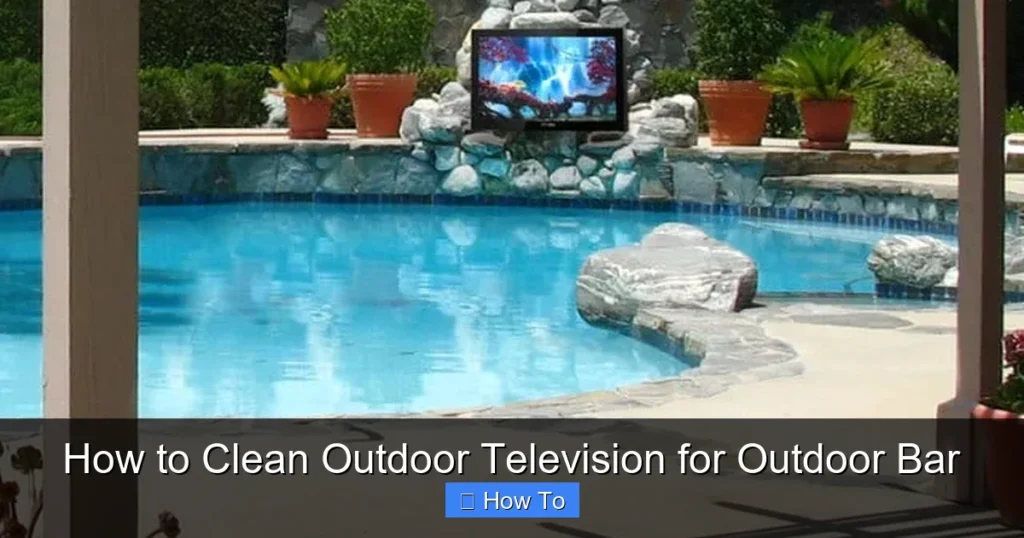
Visual guide about How to Clean Poolside Tv for Backyard Movie Night
Image source: images.suite101.com
Outdoor TVs face a unique set of challenges that indoor models never encounter. From chlorine mist and sunscreen splatters to pollen, dust, and humidity, your poolside TV is constantly exposed to elements that can degrade its performance and appearance. Over time, grime buildup can dull the screen, reduce brightness, and even interfere with touch controls (if applicable). In extreme cases, moisture trapped in vents or around seals can lead to internal damage.
Regular cleaning isn’t just about aesthetics—it’s about preserving your investment. High-quality outdoor TVs are built to withstand the elements, but they still need care. A clean screen ensures optimal picture quality, making colors pop and details sharp. It also helps prevent long-term damage caused by corrosive substances like saltwater or pool chemicals.
Moreover, a well-maintained TV enhances the overall ambiance of your backyard oasis. Imagine hosting a movie night where the screen is so clear and vibrant that everyone feels immersed in the action. That’s the power of a properly cleaned poolside TV.
What You’ll Need to Clean Your Outdoor TV
Before you start, gather the right supplies. Using the wrong tools can scratch the screen, leave streaks, or even damage sensitive components. Here’s a simple checklist of what you’ll need:
- Microfiber cloths: These are soft, lint-free, and ideal for wiping screens without scratching. Use at least two—one for dusting and one for cleaning.
- Distilled water: Tap water contains minerals that can leave spots or streaks. Distilled water ensures a clean, residue-free finish.
- Mild cleaning solution: A few drops of dish soap (like Dawn) mixed with distilled water works well. Avoid ammonia, alcohol, or abrasive cleaners.
- Compressed air (optional): Useful for blowing dust out of vents and crevices without touching internal parts.
- Soft-bristle brush or makeup brush: Great for gently removing dust from bezels and hard-to-reach areas.
- Spray bottle: Helps apply cleaning solution evenly without oversaturating the screen.
- Weatherproof cover (optional but recommended): Protects your TV when not in use, reducing the need for frequent cleaning.
Avoid using paper towels, tissues, or rough cloths—they can scratch the screen. Also, never spray liquid directly onto the TV. Always apply cleaner to the cloth first.
Step-by-Step Guide to Cleaning Your Poolside TV
Now that you’re prepared, let’s walk through the cleaning process step by step. Follow these instructions carefully to ensure a safe and effective clean.
Step 1: Turn Off and Unplug the TV
Safety comes first. Before you touch anything, make sure your TV is completely powered off and unplugged from the outlet. This prevents electrical shock and protects the internal components from moisture. If your TV is mounted, ensure it’s securely in place and won’t shift during cleaning.
Wait at least 10–15 minutes after turning it off to allow the screen and internal parts to cool down. Cleaning a hot screen can cause cleaning solutions to evaporate too quickly, leaving streaks or residue.
Step 2: Dust the Screen and Bezel
Start by removing loose dust and debris. Use a dry microfiber cloth or a soft-bristle brush to gently wipe the screen, bezel (the frame around the screen), and vents. Work from top to bottom in light, sweeping motions.
For vents and crevices, a can of compressed air can help dislodge dust without touching internal parts. Hold the can upright and spray in short bursts to avoid forcing moisture into the TV.
Tip: Do this step regularly—even weekly—to prevent buildup. A quick dusting takes just a minute and makes deep cleaning much easier.
Step 3: Prepare Your Cleaning Solution
Mix a gentle cleaning solution in a spray bottle. Use:
– 1 cup of distilled water
– 1–2 drops of mild dish soap (unscented and dye-free)
Shake gently to mix. Avoid creating suds—too much soap can leave a film on the screen.
Never use commercial glass cleaners like Windex, which contain ammonia and can damage anti-reflective coatings on modern screens. Similarly, avoid vinegar or alcohol-based solutions, as they can degrade screen protectors or coatings over time.
Step 4: Dampen the Microfiber Cloth
Spray a small amount of your cleaning solution onto a clean microfiber cloth—never directly onto the TV. The cloth should be slightly damp, not wet. Excess moisture can seep into the edges of the screen or vents, potentially damaging internal electronics.
If you’re cleaning a large screen, work in sections to ensure even coverage and prevent the cloth from drying out.
Step 5: Wipe the Screen Gently
Using the damp microfiber cloth, wipe the screen in gentle, circular motions. Start from the center and work outward to avoid spreading dirt. Apply light pressure—there’s no need to scrub.
Focus on areas with visible smudges, fingerprints, or water spots. For stubborn spots, let the cleaning solution sit for 10–15 seconds before wiping again.
Avoid pressing too hard, especially on OLED or curved screens, which can be more sensitive to pressure.
Step 6: Dry the Screen
Immediately after cleaning, use a second dry microfiber cloth to buff the screen. This removes any remaining moisture and prevents streaks.
Again, use light, circular motions. Check the screen from different angles to ensure it’s completely dry and streak-free.
Tip: If you notice streaks, it may be due to hard water or too much soap. Switch to distilled water and reduce the amount of detergent in your solution.
Step 7: Clean the Bezel and Vents
Use the same damp cloth (or a fresh one) to wipe down the bezel and outer casing. Pay special attention to areas near the pool, where chlorine or salt residue may accumulate.
For vents, use a dry cloth or compressed air to remove dust. Avoid inserting anything into the vents, as this can damage internal components.
If your TV has a remote sensor or control buttons, gently wipe them with a slightly damp cloth. Ensure no moisture gets into the button mechanisms.
Step 8: Let the TV Air Dry
After cleaning, leave the TV untouched for at least 15–20 minutes to ensure all moisture has evaporated. This is especially important for outdoor TVs, which may be exposed to humidity or direct sunlight.
Once dry, you can plug the TV back in and power it on to check the picture quality.
Special Considerations for Outdoor TVs
Outdoor TVs are designed to handle weather, but they still require special care—especially when located near a pool.
Dealing with Pool Chemicals
Chlorine, bromine, and salt can leave behind residue that’s tough to remove. If you notice a white, chalky film on the screen or bezel, it’s likely chemical buildup.
To tackle this:
– Use a slightly stronger solution: 1 part distilled water to 1 part white vinegar (only for the bezel, not the screen).
– Wipe gently with a soft cloth.
– Rinse with a damp cloth using distilled water.
– Dry thoroughly.
Never use vinegar on the screen itself—it can damage coatings.
Protecting Against Water Splashes
Even if your TV is rated for outdoor use (like IP54 or IP65), avoid direct water exposure during cleaning. If you’re using a hose or pressure washer nearby, cover the TV or clean it when the area is dry.
Consider installing a splash guard or awning above the TV to reduce exposure to pool spray.
Managing Sun Glare and Reflections
A clean screen is only part of the equation. Glare from sunlight or pool reflections can wash out the picture, even on the brightest days.
To improve visibility:
– Position the TV under a pergola, awning, or shade structure.
– Use a TV with high brightness (measured in nits)—outdoor models typically range from 700 to 2,500 nits.
– Adjust the screen angle to minimize reflections.
– Consider an anti-glare screen protector (if compatible).
Troubleshooting Common Cleaning Issues
Even with the best care, you might run into a few hiccups. Here’s how to handle common problems:
Streaks or Haze on the Screen
Cause: Too much cleaner, hard water, or using the wrong cloth.
Solution: Switch to distilled water, reduce soap, and use a high-quality microfiber cloth. Buff thoroughly with a dry cloth.
Stubborn Stains or Residue
Cause: Chemical buildup, sunscreen, or oil from hands.
Solution: Apply a small amount of isopropyl alcohol (70% or less) to a cloth and gently rub the affected area. Test on a small spot first. Avoid alcohol on anti-reflective coatings.
Foggy or Cloudy Screen
Cause: Moisture trapped behind the screen or in the casing.
Solution: Turn off the TV and let it dry completely in a warm, dry area. If fogging persists, contact the manufacturer—it may indicate a seal failure.
Dust Keeps Returning
Cause: High pollen count, nearby construction, or poor placement.
Solution: Clean more frequently and consider using a weatherproof cover when the TV is not in use.
Maintaining Your Poolside TV Between Cleanings
Regular maintenance goes a long way in keeping your TV clean and functional. Here are some tips to make cleaning easier and less frequent:
- Use a weatherproof cover: When not in use, especially during storms or high pollen seasons, cover your TV with a breathable, UV-resistant cover.
- Install in a sheltered area: Choose a location under an overhang or pergola to reduce exposure to rain, sun, and pool spray.
- Clean weekly: A quick dusting once a week prevents buildup and keeps the screen looking fresh.
- Inspect seals and vents: Check for cracks or gaps in the casing that could let in moisture. Replace damaged seals promptly.
- Keep the area clean: Regularly sweep the deck and clean pool surroundings to reduce dust and debris that can settle on the TV.
When to Call a Professional
Most cleaning tasks can be handled at home, but there are times when professional help is needed. Contact a technician if:
– The screen has deep scratches or cracks
– You suspect internal moisture damage
– The TV won’t turn on after cleaning
– You’re unsure about the TV’s weatherproof rating or cleaning guidelines
Always refer to your TV’s user manual for manufacturer-specific advice. Some brands, like Samsung, LG, or SunBrite, offer detailed outdoor care instructions.
Final Thoughts
A clean poolside TV is the centerpiece of any great backyard movie night. By following these simple steps, you can keep your outdoor screen looking sharp, performing well, and ready for every film under the stars. Regular cleaning not only enhances your viewing experience but also extends the life of your TV.
Remember: safety first, use the right tools, and clean gently. With a little effort, your poolside TV will stay spotless—so you can focus on what really matters: great movies, good company, and unforgettable summer nights.