Keeping your outside TV for balcony or patio clean ensures clear picture quality and extends its lifespan. This guide walks you through safe, effective cleaning methods using household supplies and smart techniques to avoid damage from moisture, dust, and UV exposure.
Key Takeaways
- Turn off and unplug the TV before cleaning to prevent electrical hazards and protect internal components.
- Use only soft, lint-free microfiber cloths to avoid scratching the screen or protective casing.
- Avoid harsh chemicals like ammonia or alcohol-based cleaners—they can damage anti-glare coatings and seals.
- Clean on a cool, dry day to prevent water spots and ensure quick drying in outdoor conditions.
- Inspect seals and vents regularly to keep moisture and debris out of sensitive electronics.
- Use a mild soap solution for stubborn grime, but never spray liquid directly on the screen.
- Consider a weatherproof cover when not in use to reduce cleaning frequency and protect from the elements.
How to Clean Outside TV for Balcony Patio: A Complete Guide
If you’ve invested in an outdoor TV for your balcony or patio, you know how amazing it is to enjoy your favorite shows, movies, or sports under the open sky. But with that enjoyment comes responsibility—keeping your outdoor TV clean and well-maintained. Dust, pollen, bird droppings, rain residue, and even fingerprints can build up quickly, affecting both picture quality and the longevity of your device.
Cleaning an outdoor TV isn’t the same as wiping down a living room screen. It requires special care to avoid water damage, protect sensitive electronics, and maintain weatherproof seals. In this comprehensive guide, we’ll walk you through everything you need to know about how to clean your outside TV for balcony or patio safely and effectively. From the tools you’ll need to step-by-step cleaning methods, troubleshooting common issues, and tips for long-term care, this guide has you covered.
Whether you’re a weekend warrior or a full-time outdoor entertainer, keeping your TV in top shape ensures you get the most out of your investment. Let’s dive in.
Why Cleaning Your Outdoor TV Matters
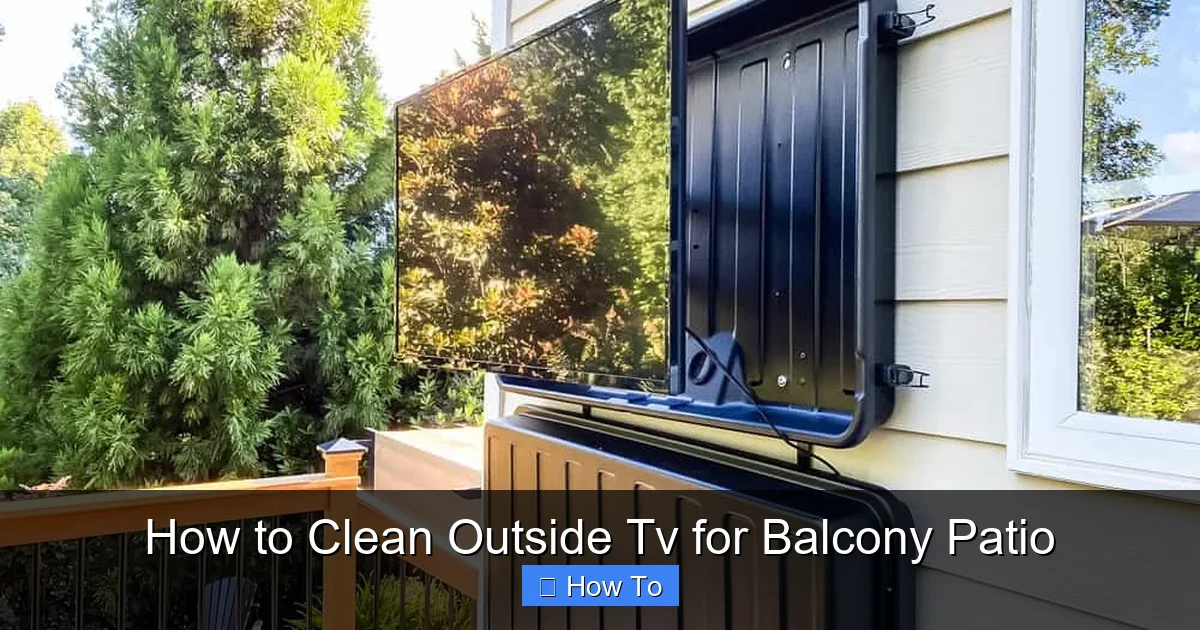
Visual guide about How to Clean Outside Tv for Balcony Patio
Image source: simply2moms.com
Outdoor TVs are built to withstand the elements—rain, sun, wind, and temperature changes—but that doesn’t mean they’re maintenance-free. In fact, regular cleaning is essential for several reasons:
First, dirt and grime can accumulate on the screen, reducing visibility and making it harder to enjoy your content. Over time, this buildup can become stubborn and harder to remove. Second, moisture and debris can seep into vents, ports, or around seals, potentially causing internal damage or short circuits. Third, UV exposure from the sun can degrade certain materials, and cleaning helps remove residues that accelerate wear.
Additionally, outdoor TVs are often mounted in hard-to-reach places, like high on a wall or under a pergola. This makes them more prone to collecting dust, spider webs, and bird droppings. Neglecting cleaning can lead to permanent stains, discoloration, or even corrosion of metal parts.
By cleaning your outdoor TV regularly, you not only maintain a crisp, clear picture but also extend the life of your device. Think of it like washing your car—it’s not just about looks; it’s about protection.
When to Clean Your Outdoor TV
You don’t need to clean your outdoor TV every week, but you should inspect it regularly. A good rule of thumb is to check it every two weeks, especially during pollen season, after storms, or if you notice visible dirt.
Signs it’s time to clean include:
– Faded or blurry picture due to smudges or film
– Visible dust, cobwebs, or bird droppings
– Water spots or mineral deposits from rain
– Fingerprints or smudges from handling
If you live in a particularly dusty, humid, or rainy area, you may need to clean more often. On the other hand, if your TV is under a covered patio with minimal exposure, monthly cleaning might be sufficient.
Tools and Supplies You’ll Need
Before you start cleaning, gather the right tools. Using the wrong materials can scratch the screen, damage coatings, or introduce moisture into sensitive areas. Here’s what you’ll need:
- Microfiber cloths (lint-free) – These are gentle on screens and won’t leave streaks.
- Distilled water – Tap water can leave mineral deposits; distilled is pure and safe.
- Mild dish soap – A drop or two is enough for tough grime.
- Soft-bristle brush or soft toothbrush – For cleaning vents and crevices.
- Compressed air (optional) – To blow dust out of ports and vents.
- Spray bottle – For applying cleaning solution safely.
- Ladder or step stool – To safely reach your TV.
- Gloves (optional) – To keep oils from your hands off the screen.
Avoid using paper towels, tissues, or rough cloths—they can scratch the screen. Also, never use household cleaners like Windex, vinegar, or alcohol-based sprays. These can strip protective coatings and damage the anti-reflective layer on outdoor TVs.
Step-by-Step Guide to Cleaning Your Outdoor TV
Now that you have your supplies, let’s walk through the cleaning process step by step. Safety and care are key—take your time and follow each step carefully.
Step 1: Turn Off and Unplug the TV
Before you do anything, make sure the TV is completely powered off and unplugged from the power source. This prevents electrical shock and protects the internal components from accidental damage.
Even if your TV is weatherproof, water and electricity don’t mix. Unplugging ensures there’s no risk of short circuits during cleaning.
Step 2: Let the TV Cool Down
If your TV has been running, especially in direct sunlight, let it cool for at least 15–20 minutes. Cleaning a hot screen can cause cleaning solutions to evaporate too quickly, leaving streaks or residue. Plus, hot surfaces are more prone to damage from sudden temperature changes.
Step 3: Dust Off the Surface
Start by gently removing loose dust and debris. Use a dry microfiber cloth or a soft-bristle brush to wipe the screen, bezel, and casing. Work from top to bottom to avoid pushing dirt into vents or seams.
For hard-to-reach areas like the back or sides, use a soft toothbrush or compressed air. Hold the can upright and spray in short bursts to avoid moisture buildup.
Step 4: Prepare Your Cleaning Solution
Mix a few drops of mild dish soap with one cup of distilled water in a spray bottle. Shake gently to combine—don’t overdo it, as suds can be hard to remove.
Never spray liquid directly onto the TV. Instead, lightly mist the solution onto your microfiber cloth. The cloth should be damp, not soaking wet.
Step 5: Clean the Screen
Gently wipe the screen in circular motions, starting from the center and moving outward. Use light pressure—don’t press hard, as this can damage pixels or coatings.
For stubborn spots like dried bird droppings or sticky residue, let the damp cloth sit on the spot for 10–15 seconds to loosen it, then wipe gently. Never scrub aggressively.
After cleaning, use a second dry microfiber cloth to buff the screen and remove any streaks. This ensures a crystal-clear finish.
Step 6: Clean the Bezel and Casing
Use the same damp cloth to wipe down the plastic or metal bezel around the screen. Pay attention to corners and edges where dirt tends to collect.
For textured surfaces or vents, use the soft toothbrush dipped in the soapy solution. Gently scrub to remove grime, then wipe with a damp cloth and dry thoroughly.
Step 7: Clean Ports and Vents
Outdoor TVs have ventilation ports and input jacks that can collect dust and moisture. Use compressed air to blow out debris from these areas. Hold the can at least 6 inches away and use short bursts.
If you don’t have compressed air, use a dry toothbrush to gently dislodge dust. Never insert anything sharp into ports—this can damage internal components.
Step 8: Dry Thoroughly
After cleaning, use a dry microfiber cloth to wipe down all surfaces. Make sure no moisture remains, especially around seals, vents, and ports.
Allow the TV to air-dry for at least 10–15 minutes before plugging it back in. This ensures any residual moisture evaporates completely.
Step 9: Reconnect and Test
Once the TV is dry, plug it back in and turn it on. Check the picture quality and make sure all functions are working properly.
If you notice any issues—like flickering, no sound, or error messages—unplug the TV immediately and inspect for moisture or damage.
Special Considerations for Different TV Types
Not all outdoor TVs are the same. Some are fully weatherproof, while others are designed for covered areas only. Here’s how to adjust your cleaning approach based on your TV type.
Fully Weatherproof Outdoor TVs
These models are built to handle rain, snow, and extreme temperatures. They often have sealed casings and corrosion-resistant materials. You can clean them more aggressively, but still avoid high-pressure water or steam cleaners.
Focus on the screen and external surfaces. Check the manufacturer’s guidelines for any specific cleaning recommendations.
Partial Weather Protection (Covered Patio TVs)
If your TV is under a roof or awning but still exposed to wind and dust, it’s less protected. Clean it more frequently and be extra cautious around seals and ports.
Avoid getting water near input jacks or control panels. These areas may not be fully sealed.
Indoor TVs Used Outdoors (Not Recommended)
Some people place regular indoor TVs on their balcony with a cover. This is risky and not advised, but if you do it, cleaning requires extra care.
Never expose an indoor TV to moisture. Use only dry cloths and avoid any liquid cleaners. Consider upgrading to a proper outdoor model for safety and performance.
Tips for Preventing Dirt and Damage
Cleaning is important, but prevention is even better. Here are some smart tips to keep your outdoor TV cleaner for longer.
Use a Weatherproof Cover
When your TV isn’t in use, cover it with a breathable, weatherproof cover. Look for one made from UV-resistant fabric with ventilation to prevent condensation.
Avoid plastic tarps—they trap moisture and can cause mold or corrosion.
Install in a Sheltered Location
Mount your TV under an eave, pergola, or awning to reduce exposure to rain and direct sunlight. This not only protects the screen but also extends the life of the internal components.
Use a TV Enclosure or Outdoor Cabinet
For added protection, consider a weatherproof TV enclosure. These cabinets shield the TV from the elements while allowing remote control use through infrared windows.
They’re more expensive but ideal for harsh climates or high-traffic areas.
Regular Maintenance Checks
Every month, inspect your TV for signs of wear:
– Cracks in the screen or casing
– Loose seals or gaskets
– Rust on metal parts
– Faded or peeling paint
Address issues early to prevent bigger problems.
Keep the Area Clean
Sweep your balcony or patio regularly to reduce dust and debris. Trim nearby plants to minimize pollen and sap. Keep bird feeders away to avoid droppings.
A clean environment means a cleaner TV.
Troubleshooting Common Cleaning Issues
Even with the best care, problems can arise. Here’s how to handle common issues.
Streaks or Haze on the Screen
This usually happens when cleaning solution dries too quickly or you use the wrong cloth. Solution: Use distilled water and a high-quality microfiber cloth. Buff the screen with a dry cloth until clear.
Water in the Vents or Ports
If moisture gets trapped, it can cause malfunctions. Solution: Turn off and unplug the TV. Let it dry in a warm, dry place for 24–48 hours. Use a fan to speed up evaporation.
Sticky Residue from Bird Droppings
Dried droppings can be tough to remove. Solution: Soak a cloth in soapy water, place it over the spot for 5 minutes, then wipe gently. Repeat if needed.
Scratches on the Screen
These are often caused by rough cloths or debris. Prevention is key—always use soft materials and clean gently. Minor scratches may be buffed out with a screen repair kit, but deep ones may require professional help.
TV Won’t Turn On After Cleaning
This could be due to moisture or a loose connection. Solution: Check all cables and ensure the TV is completely dry. If it still doesn’t work, contact the manufacturer or a technician.
How Often Should You Clean Your Outdoor TV?
The frequency depends on your environment:
– High-exposure areas (open balcony, coastal, windy): Clean every 1–2 weeks.
– Moderate exposure (covered patio, urban): Clean every 3–4 weeks.
– Low exposure (enclosed porch, shaded): Clean every 6–8 weeks.
Always clean after storms, pollen season, or heavy use.
Final Thoughts: Keep Your Outdoor TV in Top Shape
Your outdoor TV is more than just a screen—it’s the centerpiece of your alfresco entertainment. By following this guide on how to clean your outside TV for balcony or patio, you’ll enjoy a clearer picture, longer lifespan, and fewer repairs.
Remember: safety first. Always unplug the TV, use gentle tools, and avoid harsh chemicals. A little care goes a long way.
With regular cleaning and smart maintenance, your outdoor TV will keep delivering stunning visuals season after season. So grab your microfiber cloth, step outside, and get ready to enjoy your favorite shows in the fresh air—clean screen and all.