Keeping your outdoor TV clean in windy areas requires special care to avoid damage from dust, debris, and moisture. This guide walks you through safe cleaning methods, protective measures, and maintenance routines to ensure your screen stays clear and functional year-round.
Key Takeaways
- Use a microfiber cloth and mild cleaner: Avoid harsh chemicals that can damage the screen or protective coating.
- Clean during calm weather: Choose low-wind days to prevent dust from blowing back onto the screen during cleaning.
- Turn off and cool the TV first: Always power down and let the screen cool to avoid thermal shock or electrical hazards.
- Install a weatherproof cover or enclosure: Protect your TV from constant exposure to wind, rain, and UV rays.
- Inspect mounting hardware regularly: Wind can loosen brackets; check and tighten them monthly.
- Use compressed air for vents and crevices: Remove dust buildup in hard-to-reach areas without touching the screen.
- Schedule routine cleanings: Clean every 2–4 weeks depending on local wind and dust levels.
How to Clean Outdoor Television for Windy Areas
If you’ve invested in an outdoor television, you know how amazing it is to enjoy your favorite shows, sports, or movies under the open sky. But living in a windy area adds a unique challenge—constant exposure to dust, pollen, dirt, and flying debris can quickly dull your screen and affect performance. Over time, this buildup can scratch the surface, reduce visibility, and even damage internal components if moisture seeps in.
Cleaning your outdoor TV isn’t just about keeping it looking good. It’s about protecting your investment and ensuring it lasts for years. Wind doesn’t just blow dust around—it can also carry salt (if you’re near the coast), sand, or tiny particles that act like sandpaper on your screen. Without proper care, your TV could suffer from reduced image quality, overheating, or premature wear.
In this guide, you’ll learn how to clean your outdoor television safely and effectively, even in the windiest conditions. We’ll cover everything from choosing the right tools and timing your cleaning sessions to installing protective gear and maintaining your TV for long-term durability. Whether you’re in a desert, coastal region, or a breezy mountain town, these tips will help you keep your outdoor entertainment center in top shape.
Why Wind Makes Outdoor TV Cleaning More Challenging

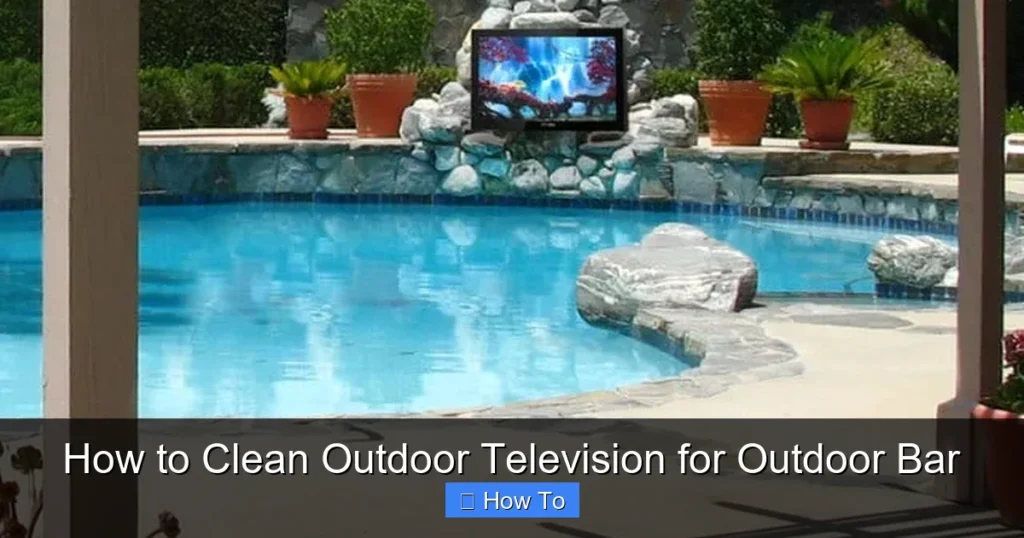
Visual guide about How to Clean Outdoor Television for Windy Areas
Image source: azenco-outdoor.com
Wind is more than just a breeze—it’s a constant force that brings dirt, leaves, pollen, and even small stones into contact with your TV. In dry climates, wind kicks up dust that settles on the screen and settles into vents and seams. In coastal areas, salty air can corrode metal parts and leave a gritty film on the display. Even in suburban neighborhoods, strong gusts can blow pollen, grass clippings, and pet hair onto your screen.
The problem isn’t just surface dirt. Over time, repeated exposure to windborne particles can scratch anti-glare coatings, clog ventilation systems, and create hot spots that shorten the TV’s lifespan. Plus, if you clean your TV on a windy day, you might end up pushing more debris onto the screen instead of removing it.
That’s why cleaning an outdoor TV in windy areas requires a strategic approach. You need to work with the weather, not against it. Timing, tools, and technique all matter. The goal is to remove contaminants without causing damage—and to prevent them from returning too quickly.
When to Clean Your Outdoor TV
Timing is everything when it comes to cleaning your outdoor television. Cleaning during high winds is not only ineffective—it can be dangerous. Loose debris can fly into your eyes, and gusts might make it hard to control your cleaning tools. Plus, any moisture you apply could blow away before it has a chance to work, or worse, leave streaks as it dries unevenly.
Best Times to Clean
- Early morning or late evening: Winds tend to be calmer during these times, especially in coastal or desert regions.
- After a rain: Light rain can help settle dust, making it easier to wipe away. Just make sure the TV is dry before cleaning.
- On overcast days: Cloud cover reduces glare, making it easier to see smudges and dirt on the screen.
How Often Should You Clean?
The frequency depends on your local environment:
- High-wind, dusty areas (deserts, construction zones): Clean every 2 weeks.
- Coastal or pollen-heavy regions: Clean every 3 weeks.
- Suburban or low-wind areas: Clean every 4–6 weeks.
Set a calendar reminder or link cleaning to seasonal changes—like after spring pollen season or before summer storms. Regular maintenance prevents heavy buildup and makes each cleaning session quicker and easier.
What You’ll Need to Clean Your Outdoor TV
Before you start, gather the right tools. Using the wrong materials can scratch your screen or leave residue. Here’s a checklist of essentials:
Cleaning Supplies
- Microfiber cloths (lint-free): These are gentle on screens and won’t leave fibers behind. Use one for dry dusting and another for wiping.
- Distilled water: Tap water contains minerals that can leave spots. Distilled water ensures a clean, streak-free finish.
- Mild dish soap or screen-safe cleaner: Avoid ammonia, alcohol, or abrasive cleaners. A drop of mild soap in water works well.
- Compressed air (optional): Great for blowing dust out of vents, seams, and around the bezel.
- Soft-bristle brush (optional): Use for gently removing dried debris from edges and mounts.
Safety Gear
- Ladder or step stool: Ensure it’s stable and placed on level ground. Never lean it against the TV.
- Non-slip shoes: Wind can make surfaces slippery, especially if damp.
- Safety goggles (optional): Protect your eyes from blowing debris during cleaning.
Optional Protective Gear
- Weatherproof TV cover: Use when the TV is off to shield it from wind and rain.
- Outdoor TV enclosure: A sealed case designed for outdoor use offers maximum protection.
Step-by-Step Guide to Cleaning Your Outdoor TV
Now that you’re prepared, let’s walk through the cleaning process step by step. Follow these instructions carefully to avoid damage and ensure a thorough clean.
Step 1: Turn Off and Cool Down the TV
Always start by turning off the TV and unplugging it from the power source. This prevents electrical hazards and gives the screen time to cool. Outdoor TVs can get hot during use, especially in direct sunlight. Cleaning a hot screen with liquid can cause thermal shock, leading to cracks or damage to the display.
Wait at least 15–20 minutes after use before cleaning. If the TV has been in the sun, let it sit in the shade for a bit longer. A cool screen is safer to touch and less likely to react to cleaning solutions.
Step 2: Dust Off Loose Debris
Before applying any liquid, remove loose dirt, leaves, or cobwebs. Use a dry microfiber cloth or a soft-bristle brush to gently wipe the screen and bezel. Work from top to bottom to avoid pushing debris into vents or seams.
If you have compressed air, use short bursts to blow dust out of crevices around the screen, speakers, and mounting brackets. Hold the can upright and keep it at least 6 inches away to prevent moisture from spraying out.
Pro Tip: If you see bird droppings or sticky residue, don’t scrub. These can scratch the screen. Instead, dampen a corner of your microfiber cloth with distilled water and gently loosen the debris before wiping.
Step 3: Prepare Your Cleaning Solution
Mix a small amount of mild dish soap with distilled water. Use about 1 teaspoon of soap per 16 ounces of water. Stir gently to avoid creating suds.
Alternatively, use a commercial screen cleaner labeled “safe for outdoor or anti-reflective screens.” Avoid products with ammonia, acetone, or alcohol—these can strip protective coatings.
Never spray liquid directly onto the screen. Instead, apply it to your microfiber cloth. This prevents excess moisture from seeping into the edges or vents.
Step 4: Wipe the Screen Gently
Dampen one microfiber cloth with your cleaning solution. Wring it out well—it should be slightly damp, not dripping.
Start at the top of the screen and wipe in gentle, circular motions. Work your way down, overlapping each pass slightly to avoid streaks. Apply light pressure only. Let the solution do the work; scrubbing can damage the surface.
For stubborn spots, hold the damp cloth over the area for 10–15 seconds to soften the grime, then wipe gently.
Once the screen is clean, use a second dry microfiber cloth to buff it dry. This removes any remaining moisture and prevents water spots.
Step 5: Clean the Bezel and Mounting Area
Use the same damp cloth to wipe the plastic or metal bezel around the screen. Pay attention to corners where dust accumulates. For metal parts, check for rust or corrosion—especially in coastal areas.
If your TV is wall-mounted, inspect the bracket and screws. Wind can vibrate the mount over time, loosening hardware. Tighten any loose bolts with a screwdriver or wrench. Apply a small amount of anti-seize lubricant to metal threads to prevent rust.
Use compressed air to blow dust out of speaker grilles and ventilation slots. Avoid inserting anything sharp into these areas.
Step 6: Final Inspection and Drying
Step back and look at the screen from different angles. Check for streaks, smudges, or missed spots. Touch up as needed with your dry cloth.
Make sure no moisture has pooled around the edges or in seams. If you see any, blot it gently with a dry cloth.
Allow the TV to air-dry completely before turning it back on. This usually takes 10–15 minutes, depending on humidity.
Protecting Your Outdoor TV from Wind Damage
Cleaning is only half the battle. To keep your outdoor TV in great condition, you need to protect it from the elements—especially wind.
Use a Weatherproof Cover
When the TV is not in use, cover it with a breathable, waterproof cover designed for outdoor electronics. Look for one with UV protection and a secure fit. Avoid plastic tarps—they trap moisture and can cause condensation.
Covers should be removed before turning on the TV to prevent overheating.
Install an Outdoor TV Enclosure
For maximum protection, consider a sealed outdoor TV enclosure. These are like mini greenhouses for your TV, with tempered glass fronts, ventilation systems, and weatherproof seals. They allow you to use the TV in rain, snow, or high winds without exposing it directly.
Enclosures are ideal for permanent installations in patios, decks, or pool areas. They also reduce the need for frequent cleaning.
Choose the Right Location
Mount your TV under an eave, pergola, or awning to shield it from direct wind and rain. Avoid placing it in open areas where it’s exposed to constant gusts.
Angle the screen slightly downward to help water and debris run off. Use a tilt mount for better positioning.
Secure the Mounting Hardware
Wind can shake your TV mount, especially during storms. Check the bolts and brackets monthly. Tighten any that feel loose. Use stainless steel hardware to resist rust.
For extra stability, consider a reinforced wall mount or a ceiling-mounted arm with a locking mechanism.
Troubleshooting Common Cleaning Issues
Even with the best care, problems can arise. Here’s how to handle common issues:
Streaks or Smudges After Cleaning
This usually happens when too much liquid is used or the cloth isn’t lint-free. Solution: Use less liquid and buff with a dry microfiber cloth. If streaks persist, try a 50/50 mix of distilled water and white vinegar (rinse with water afterward).
Water Seeping into the TV
If moisture gets inside, turn off the TV immediately and let it dry for 24–48 hours in a warm, dry place. Do not use a hair dryer or heat gun. If the TV doesn’t turn on after drying, contact the manufacturer—water damage may void the warranty.
Scratches on the Screen
Minor scratches can sometimes be minimized with a screen repair kit, but prevention is best. Always use soft cloths and avoid abrasive materials. If the scratch is deep, consider professional repair or replacement.
Persistent Dust Buildup
If dust returns within days, your TV may be in a high-exposure area. Consider relocating it or adding a protective cover. You can also install a small windbreak, like a lattice panel, to reduce airflow.
TV Overheating After Cleaning
This could mean vents are still blocked. Use compressed air to clear them. Ensure the TV has proper airflow—don’t cover it with blankets or enclosures that trap heat.
Maintenance Tips for Long-Term Care
Cleaning is just one part of outdoor TV care. Follow these tips to keep your TV running smoothly:
- Check the remote control: Wind can blow dust into the battery compartment. Clean it regularly with a dry cloth.
- Update firmware: Manufacturers often release updates that improve performance and fix bugs.
- Inspect cables and connections: Wind can loosen HDMI or power cables. Check them monthly and secure with zip ties if needed.
- Use a surge protector: Outdoor TVs are vulnerable to power surges from storms. Plug into a weatherproof surge protector.
- Schedule professional inspections: Once a year, have a technician check the internal components, especially if you live in a harsh climate.
Conclusion
Cleaning your outdoor television in windy areas doesn’t have to be a chore—it’s a vital part of protecting your investment and enjoying clear, uninterrupted viewing. By following the steps in this guide, you’ll keep your screen spotless, your hardware secure, and your TV performing at its best.
Remember: always clean during calm weather, use the right tools, and prioritize safety. Combine regular cleaning with protective measures like covers and enclosures to minimize exposure. With a little effort, your outdoor TV will stay bright, sharp, and ready for movie nights, game days, and backyard gatherings for years to come.
Don’t wait for dust to build up or damage to occur. Make cleaning a routine part of your outdoor maintenance schedule. Your TV—and your viewing experience—will thank you.